

An agent does the work. The product decides what it’s allowed to touch.
Agentic AI plans and carries out multi-step tasks inside your product and workflows. Built well, it removes work your team repeats every day. Built loosely, it takes actions nobody approved.
If we’re the wrong fit, we’ll say so.

One request, three ways to answer it.
The request “Move my 3 p.m. delivery to tomorrow morning.”
-
A CHATBOT
Answers a question.
It replies in paragraphs and leaves the customer to do the taps.
4 taps left for the customer: open, change, pick, confirm
-
AN ASSISTANT
Suggests a next step.
It drafts, summarizes or recommends. A person still carries it out.
1 tap left for the customer: review and confirm
-
AN AGENT
Carries out the task.
It plans, calls your systems and finishes the work, inside limits your product sets.
0 taps left for the customer, one OK on the fee
Illustration. The request and the steps are made up to show the difference.
We put agents on our own work before yours.
Our teams build with Claude Code under a workflow we publish in the open. The guardrails we put on your agent are the ones we already trust with our own delivery.
- Open source Wingspan Our agentic workflow for Claude Code, in four phases: brainstorm, plan, build and review. Open
- Open source Very Good AI Flutter Plugin Our Flutter and Dart practices, built into Claude Code, so the agent works the way our standards say. Open
- Guardrails Five review agents, then an outcome check Standards, architecture, test quality, simplicity and PR readiness are checked in parallel. Then people check that the result does what the plan said. Read
Five jobs we build agents for.
Each one names what it takes off your team and the guardrail it needs before it ships.
- 01
Conversational interfaces
Assistants and natural-language front doors built on Claude, ChatGPT or Vertex AI.
GuardrailScoped to what the user is allowed to see.
- 02
Autonomous agents
Agents that reason, plan and carry out multi-step tasks inside your workflows.
GuardrailHuman sign-off on anything that moves money or data.
- 03
Content inside the product
Personalized summaries, drafts and messages, generated where your customer needs them.
GuardrailYour brand and legal rules checked before anything ships.
- 04
Process automation
Operational tasks triggered, orchestrated and finished by an agent.
GuardrailLogged, reversible, with a kill switch.
- 05
Multimodal apps
Text, image and voice combined into one experience that knows the context.
GuardrailClear consent for anything captured.
What our agents have already done.
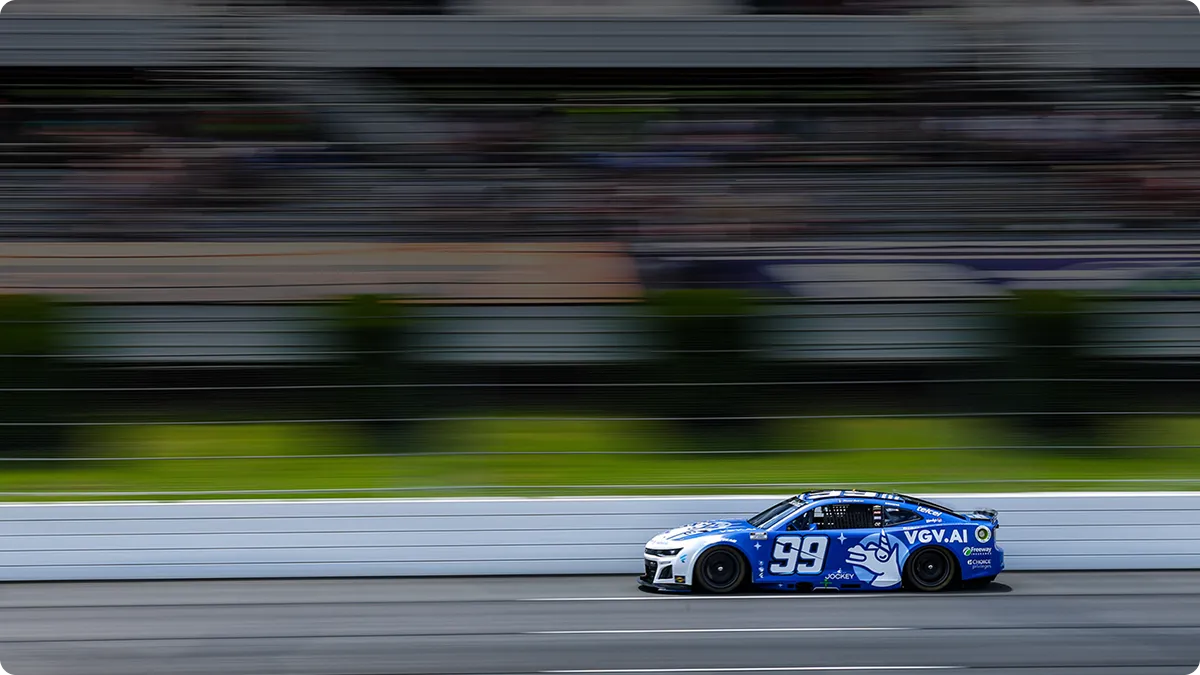
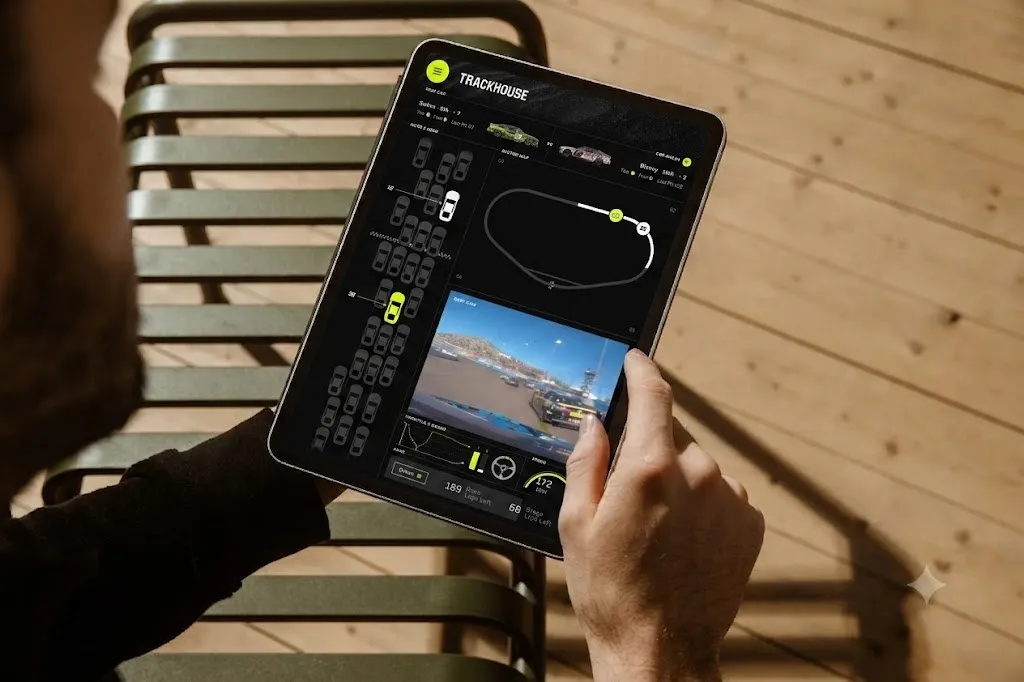 Featured · Trackhouse Racing Zero to Rust in three weeks
A real-time race-day pipeline, rebuilt with Claude Code. The Python prototype delivered results 16 to 24
hours after the checkered flag. The Rust pipeline clears each tick in 0.04 to 0.08 ms and ran a full 3.5-hour race, 227 million messages,
with zero restarts.
Kyle Crouse on how it was built
Each row is one second of race: 50 ticks, 36 cars.Each row is half a second of race: 25 ticks, 36 cars. Over a 3.5-hour race, the prototype’s results landed 16 to 24 hours after the flag. Now they land during the race.
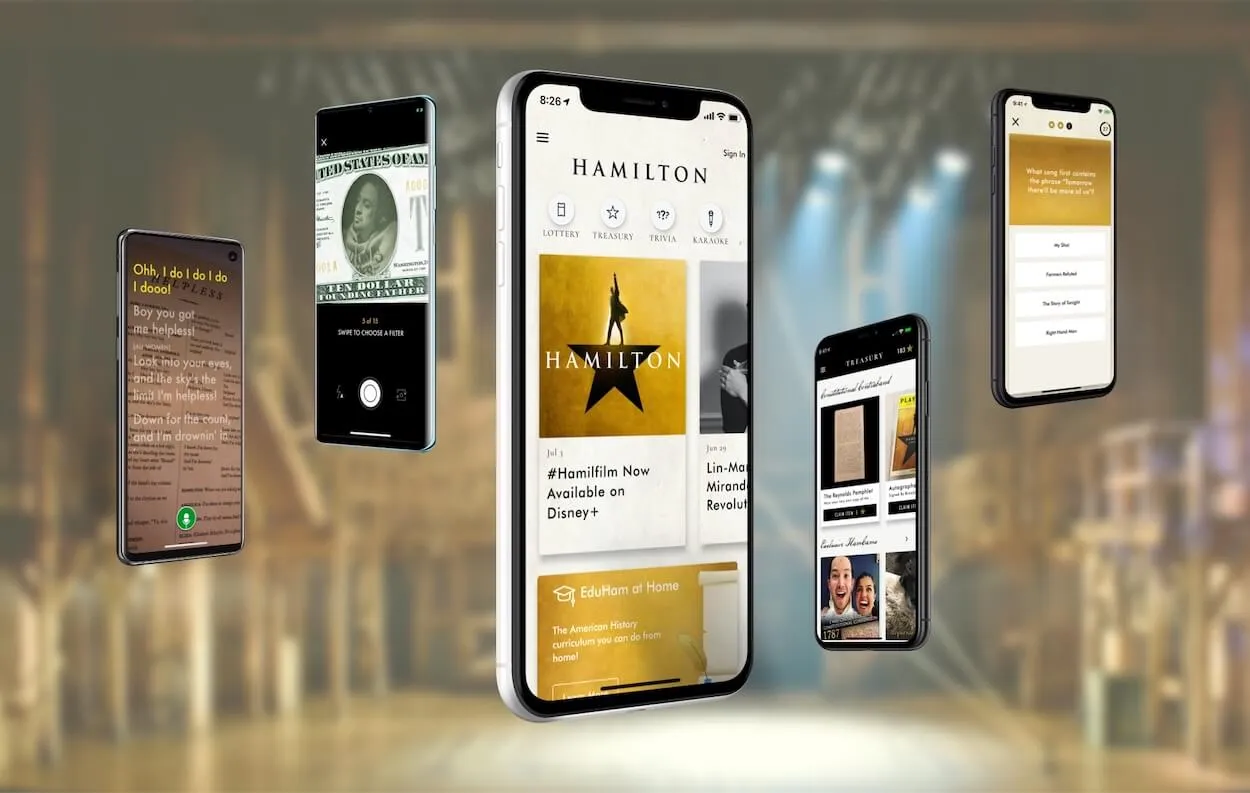
- 88Bot An AI that speaks for the #88 car using live race data, built because the pipeline was already running. Every message passes three moderation checks before a fan sees it. Our own agent · Chat with the #88
- 3–4 months for a native-to-Flutter migration estimated at 6–8, run through a multi-agent pipeline Scooter’s Coffee
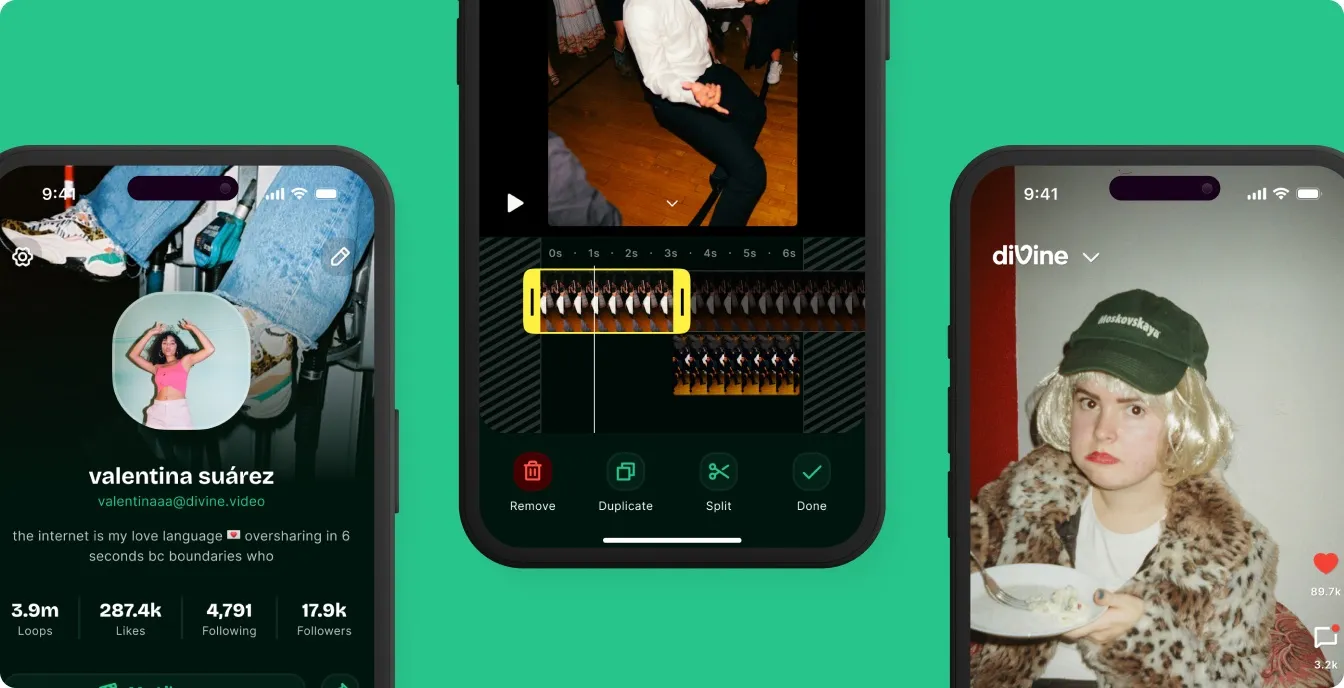
- 90 days from a fast prototype to a production-ready app, with Claude in the workflow Divine
A working agent on your real systems, in weeks.
You see an agent doing real work on your data before you fund production, so the decision is made on evidence, not a demo.
-
Goals, workflows, and the few places where an agent creates real value.
-
Data, APIs and platform, whether that’s OpenAI, Google Cloud or AWS.
-
A usable version on your real systems, not a slide.
-
Monitoring, logging, evaluation and the guardrails that keep it reliable.
-
New models, features and surfaces as your needs grow.
Where we’ve put AI to work.
All success stories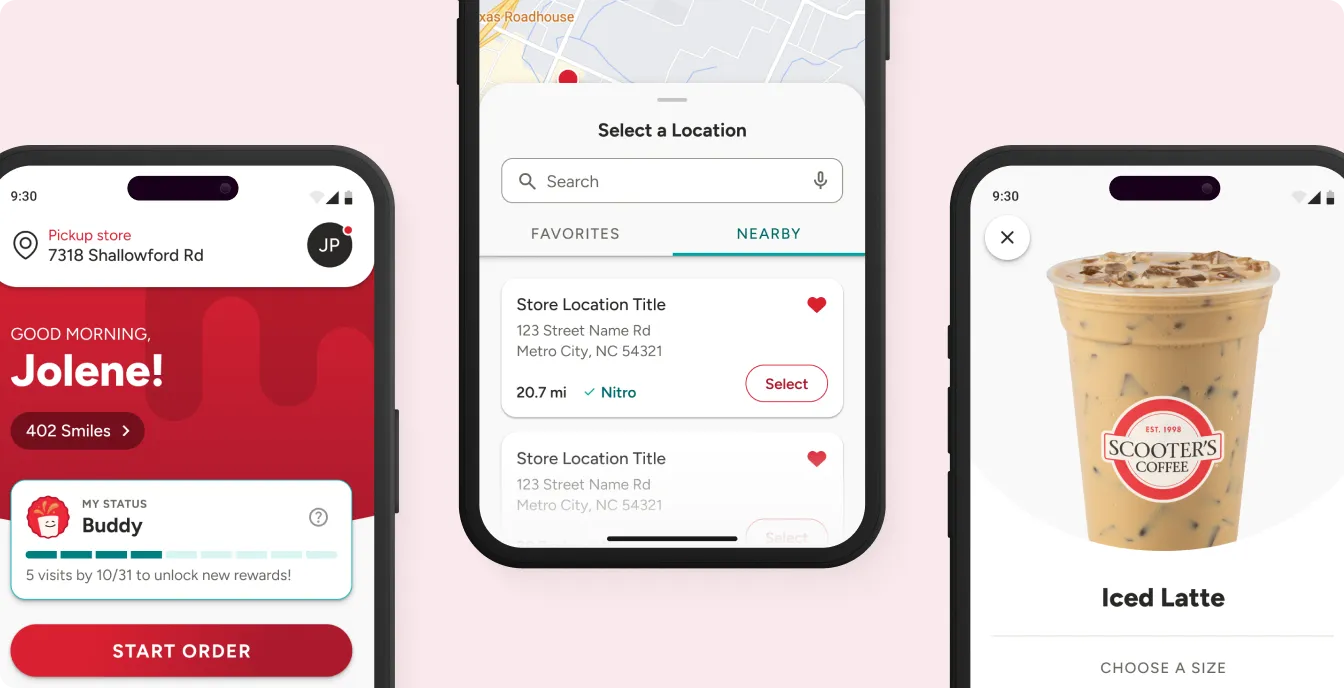
Two native apps into one, with zero downtime

- native apps into one codebase
- 2
- downtime
- 0
- feature parity
- 100%
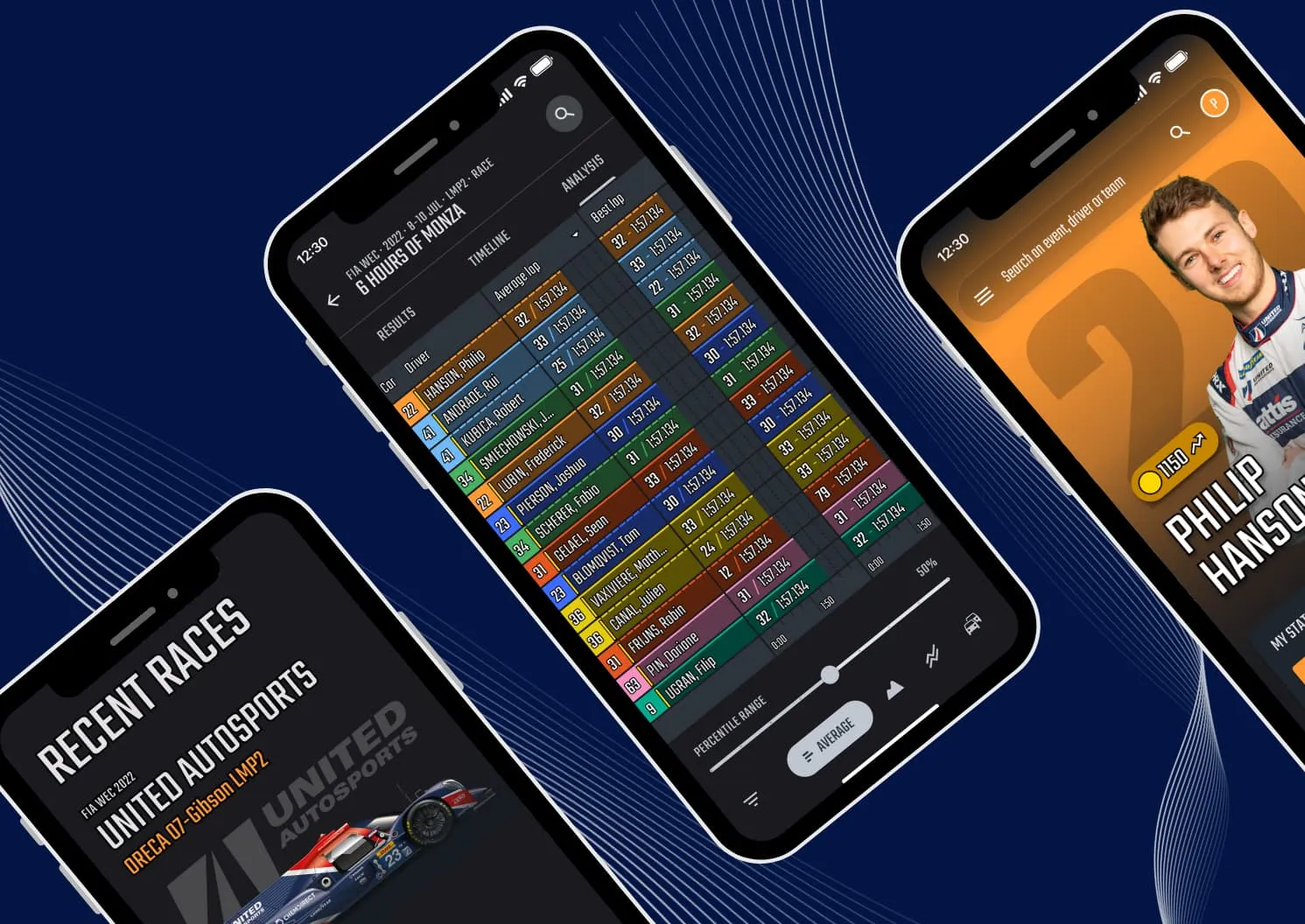
Race car performance, optimized with AI

A maintenance optimization algorithm and in-race strategy support.

A NASCAR VIP experience that runs without the cloud

Real-time insights and sponsor engagement in the VIP pit box.
What people ask first.
01 What’s the difference between an agent and a chatbot?
A chatbot answers a question and leaves the taps to the customer. An assistant drafts or recommends, and a person still carries it out. An agent plans, calls your systems and finishes the task, inside limits your product sets.
02 How do you stop an agent from doing something nobody approved?
Every job gets its guardrail before it ships. Anything that moves money or data waits for a person to sign off. Automated actions are logged, reversible and have a kill switch. Conversational agents only see what the user is allowed to see.
03 Which models and platforms do you build on?
Claude, ChatGPT or Vertex AI for the model, and OpenAI, Google Cloud or AWS for the platform. The architecture step picks them for the job.
04 Will it work with the systems we already have?
Yes. The working agent runs on your real systems, not a copy of them.
05 What does it cost, and when does it pay back?
It depends on the task. The entry offer has a fixed price, and it’s where you find out, with an agent doing real work and the result measured before you fund production.
06 Who owns the code?
You do, along with the IP, from the first commit.




We’ll care about your success as much as you do.
Our unicorns read every message and reply, usually the same day.
Start the conversationA 30-minute call about what you’re building.