
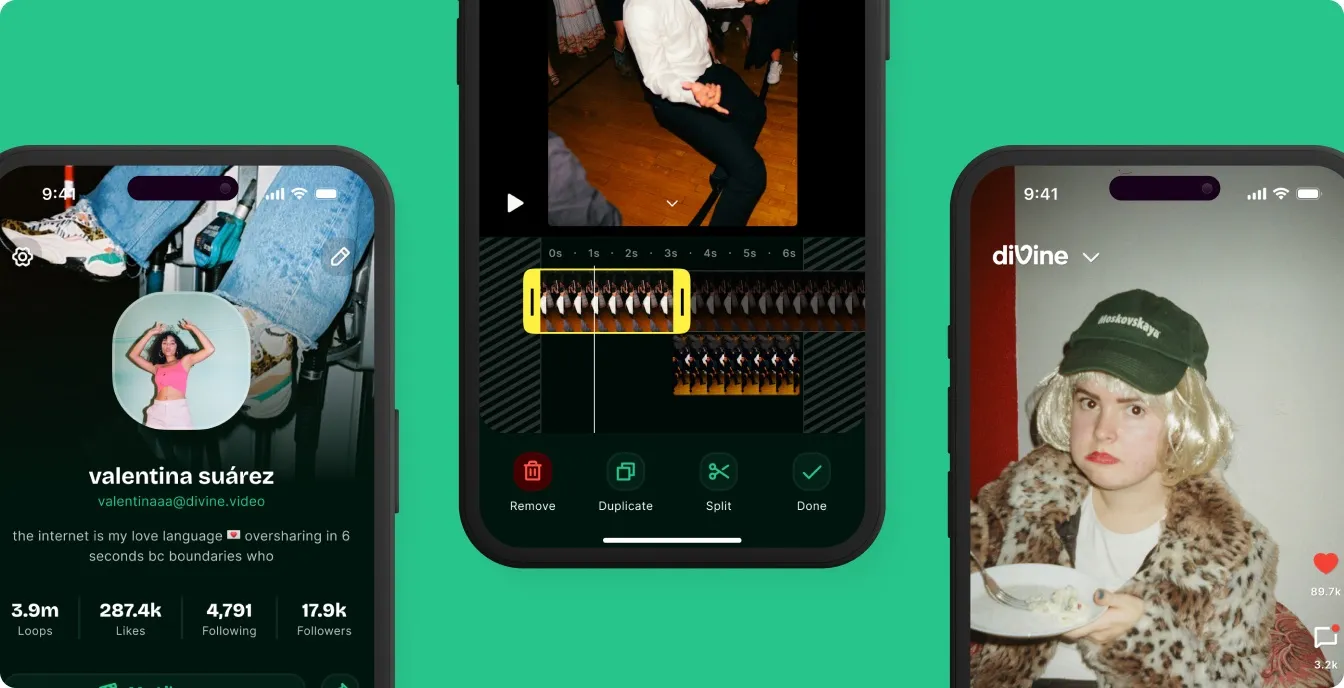

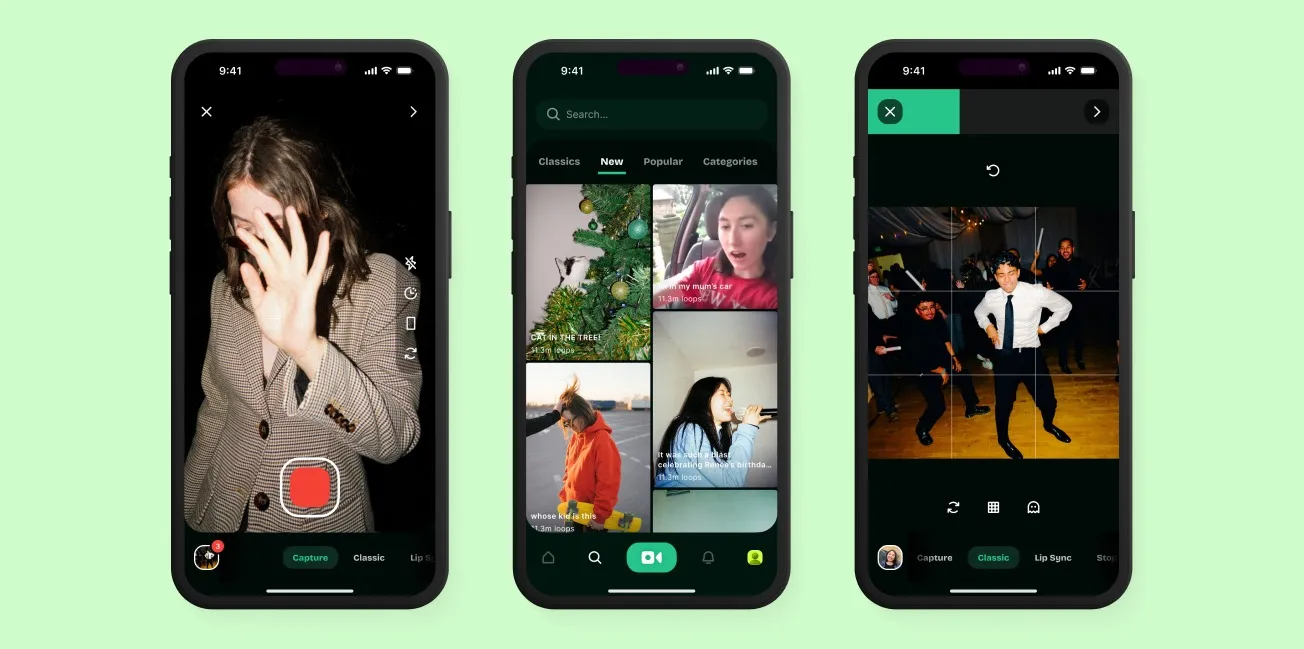
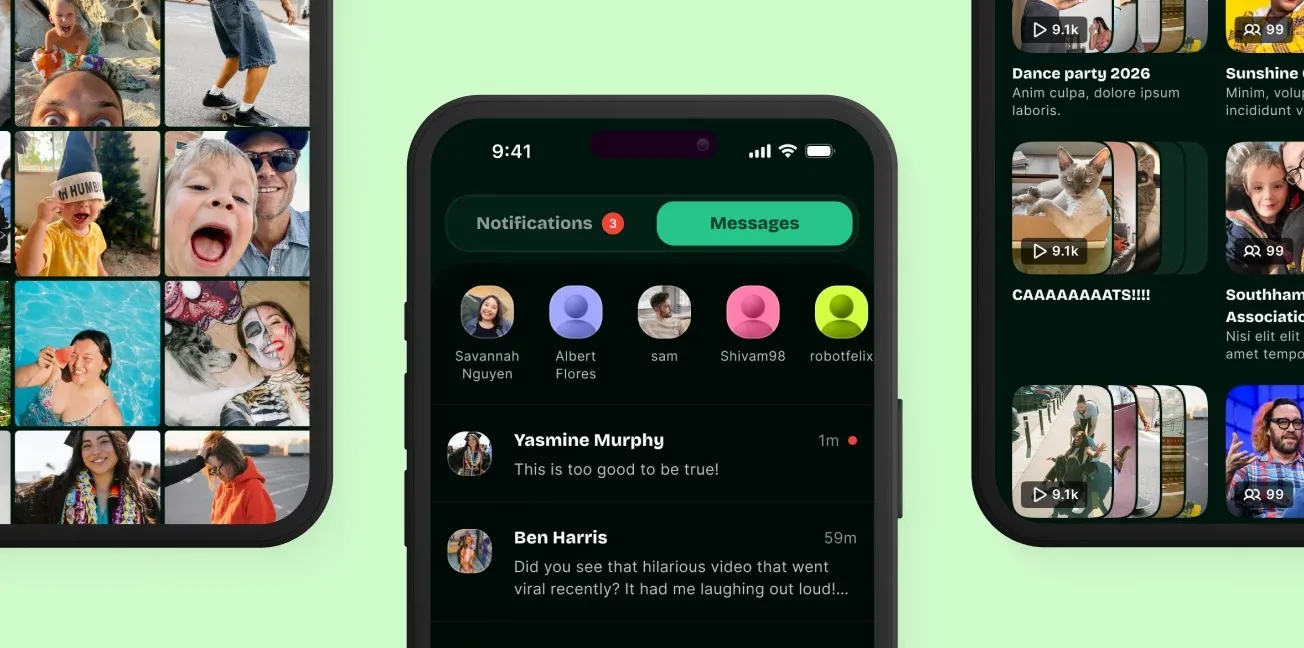
Divine’s founder vibe-coded a decentralized short-form video app. We joined after the prototype, put Claude into every discipline on the team, and in 90 days turned a fast-moving Flutter code base into a release for its first users.
- app stores at launch
- 3
- issues resolved
- 500+
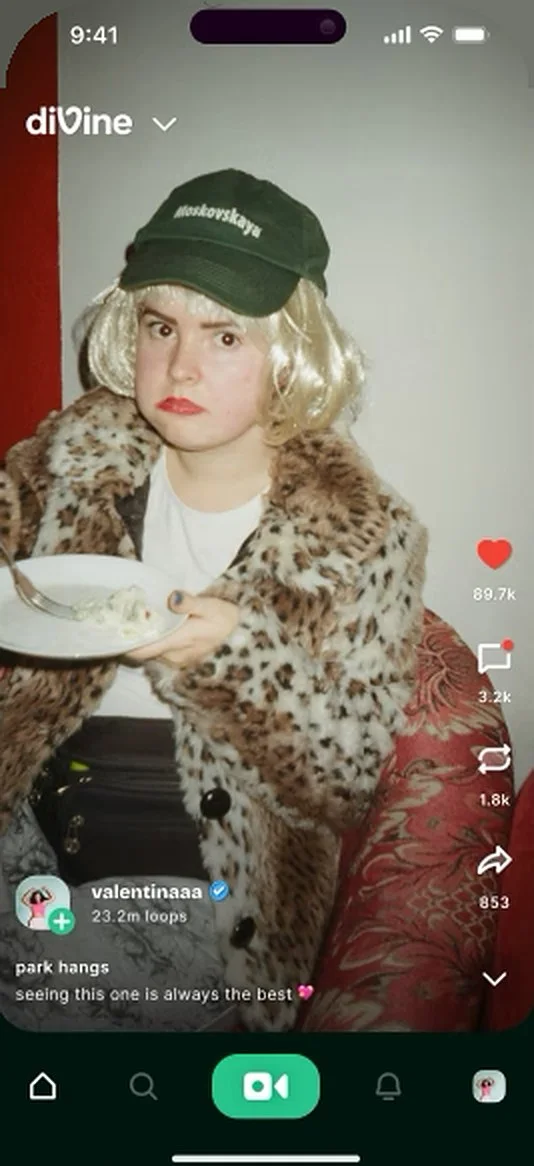
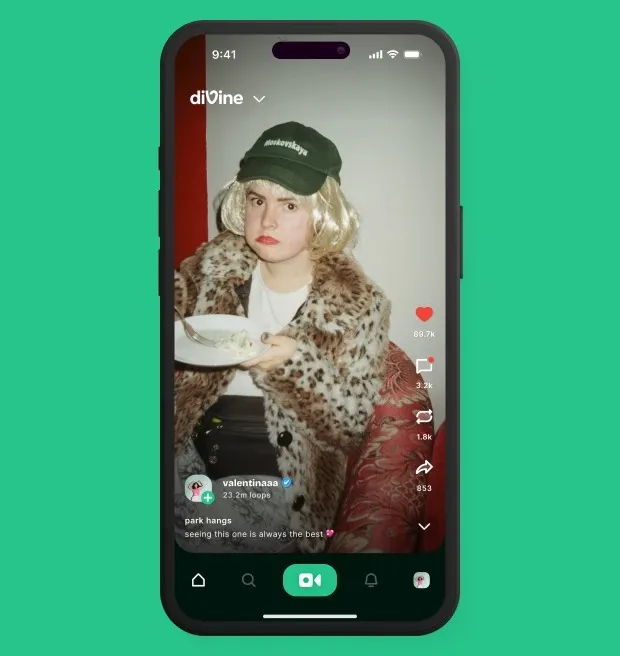
Divine’s app on a phone. The vibe-coded prototype’s home feed is cut into more than 500 squares, one for each issue. Cursors for the team’s engineer, tester, designer, and PM, each working with Claude, sweep across it and turn every square into the production app, while a counter climbs to 500+ issues resolved and day 90. Move a pointer or drag a finger over the phone to sweep with them.
01The ask
Make a vibe-coded app ready for real people.
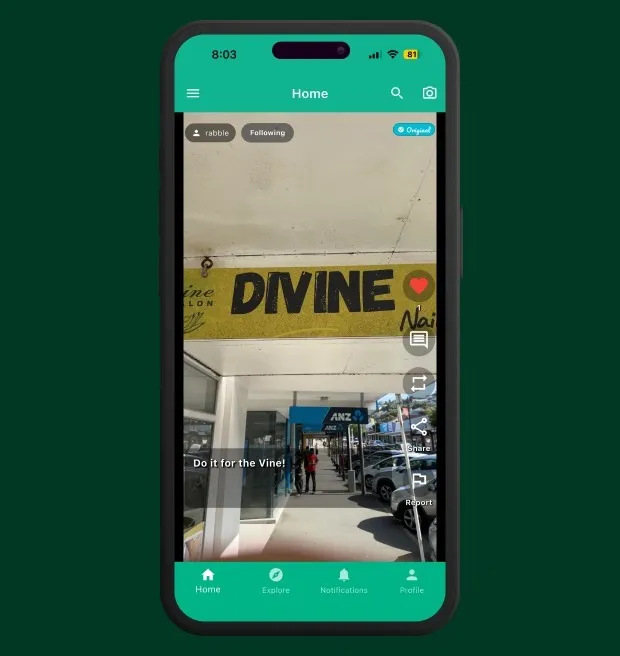
Divine is a new take on short-form video, inspired by Vine and built around 6-second clips. It runs on Nostr, a decentralized protocol, and it’s focused on joy and human creativity. Evan Henshaw-Plath, known as Rabble, vibe-coded the first prototype fast, drawing on a large public archive of early short-form internet video to bootstrap an open source social video platform.
VGV joined shortly after the prototype phase. The job was to turn a fast-moving proof of concept into a stable, production-ready app and get it to real users without losing the speed and creative momentum it started with.
In their words
-
“The codebase moved fast because it had to. VGV understood that and didn’t try to fight it — they made it work. They integrated Claude into the workflow in a way that actually improved velocity and quality at the same time, and got us to something stable enough to ship without losing momentum. All in 90 days.”
Founder & CEO, Divine Evan “Rabble” Henshaw-Plath
02Where it started
Structure, built while the product kept moving.
The code base had been written quickly, without established architectural patterns or consistent state management. That bought speed, and it made stability, scale, and team coordination harder as the product matured. The founding team knew Nostr deeply and had a clear vision. Turning that into a production-grade Flutter app took more engineering rigor, platform expertise, and coordinated workflows.
Development, design, and product decisions were happening in parallel across a distributed team, and new ideas kept arriving while stabilization was underway. VGV worked alongside the founders instead of replacing their approach, aligning on priorities and adding lightweight structure a piece at a time.
03The workflow
Claude in every discipline, from Figma to the pull request.
VGV put a cross-functional team on Divine, with engineers, testers, designers, a product manager, and a program manager, all working in an AI-enabled workflow powered by Claude. Claude sped up design exploration through the Figma MCP, automated structured ticket creation and backlog refinement, supported PR generation and review across the code base, and enforced guardrails for code quality, Nostr protocol compliance, and branding consistency.
Those workflows kept changing. The team refined project rules and prompts from real feedback on pull requests, so the system improved alongside the product. In parallel, VGV brought in consistent engineering patterns, clearer UX flows, and architectural guidance, and a small team moved at high speed without letting quality slip.
04The line
AI builds the tools. People make the videos.
Divine draws a deliberate boundary. AI is foundational to how the product is built and absent from the content it serves. Generative AI video is kept out of the user experience to protect authenticity, creativity, and signal in a space filling up with synthetic media.
Claude, itself a human-made system, sits on the builders’ side of that line. It let a small team work with the reach of a much larger one. That reflects the ethos behind Divine and its parent ecosystem, the And Other Stuff project: technology should expand human agency, not replace it.
05What changed
Shipped, with the speed still intact.
-
90 days
From engagement to a production-ready release.
A vibe-coded prototype became an app stable enough to put in front of users, inside one quarter.
-
500+ issues
Prioritized and resolved across the app.
The team worked through more than 500 issues while new ideas and features kept landing.
-
First users
An initial release, in real hands.
Divine deployed the app to its early users through Zapstore.
-
One workflow
Claude across engineering, design, and product.
The same AI-enabled workflow served every discipline on the team and got sharper with every pull request.
06If you’re next
What we’d tell a team in Divine’s seat.
- 01
Keep the vibe-coded prototype. Add structure around it a pattern at a time while it keeps shipping.
- 02
Put AI where the team already works, in tickets, reviews, and design files, and write down the rules it has to follow.
- 03
Treat prompts and project rules like code. Change them when pull requests show they’re wrong.
- 04
Decide early where AI stays out of the product, then hold that line in every product and technical call.
Roll credits.
Who did what, and with which tools.
- Client
- Divine
- Our part
- EngineeringTestingProduct designProduct managementProgram management
- Built with
- FlutterNostrClaudeFigma
- Timeline
- 90 days to a production-ready release
Built by Very Good Ventures
More success stories
All success stories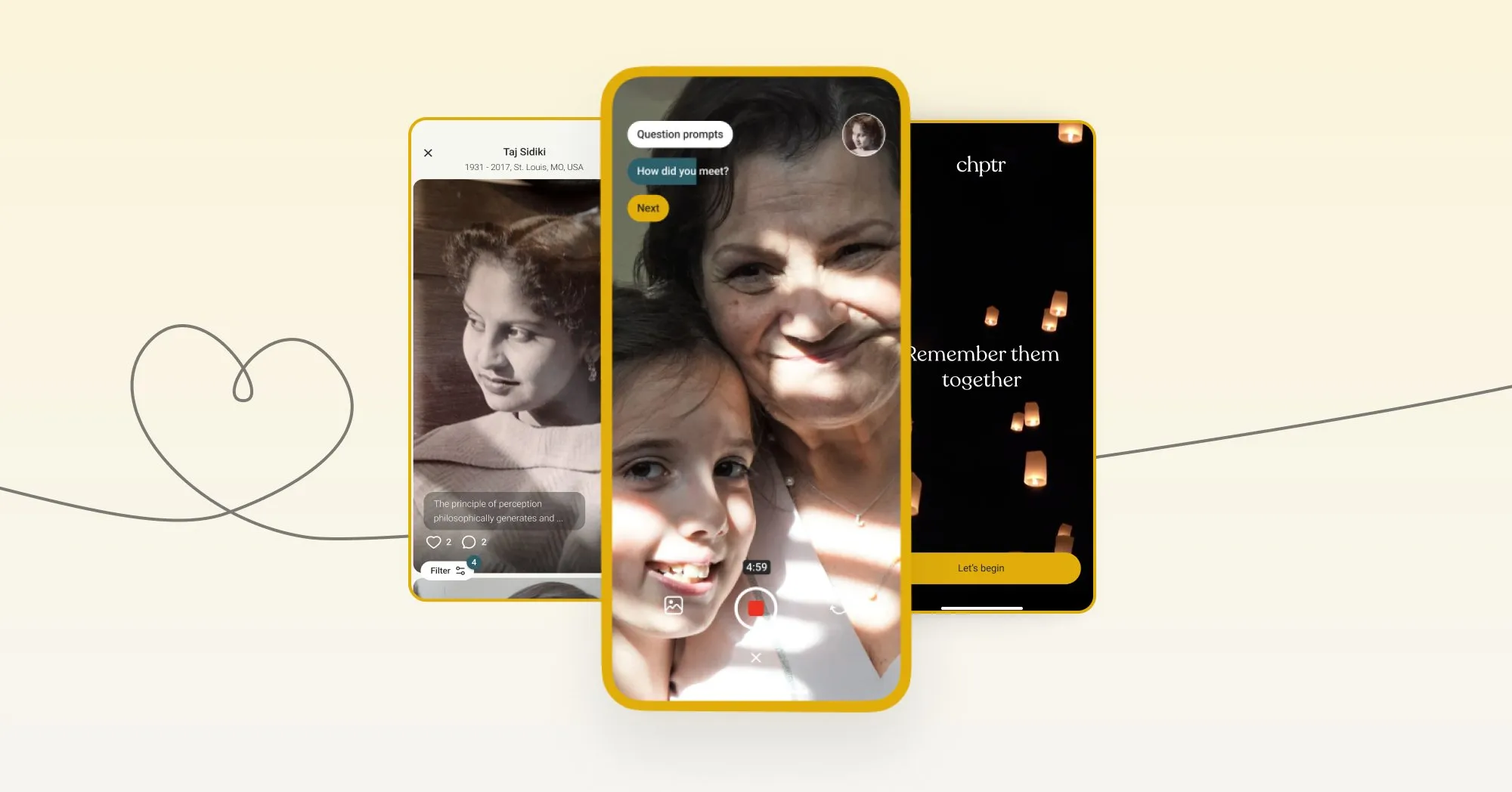
A mobile-first memorialization platform
Chptr- Product of the Day, Product Hunt
- 1st
- Community & Social app of the year
- #4
- users
- 1,000+
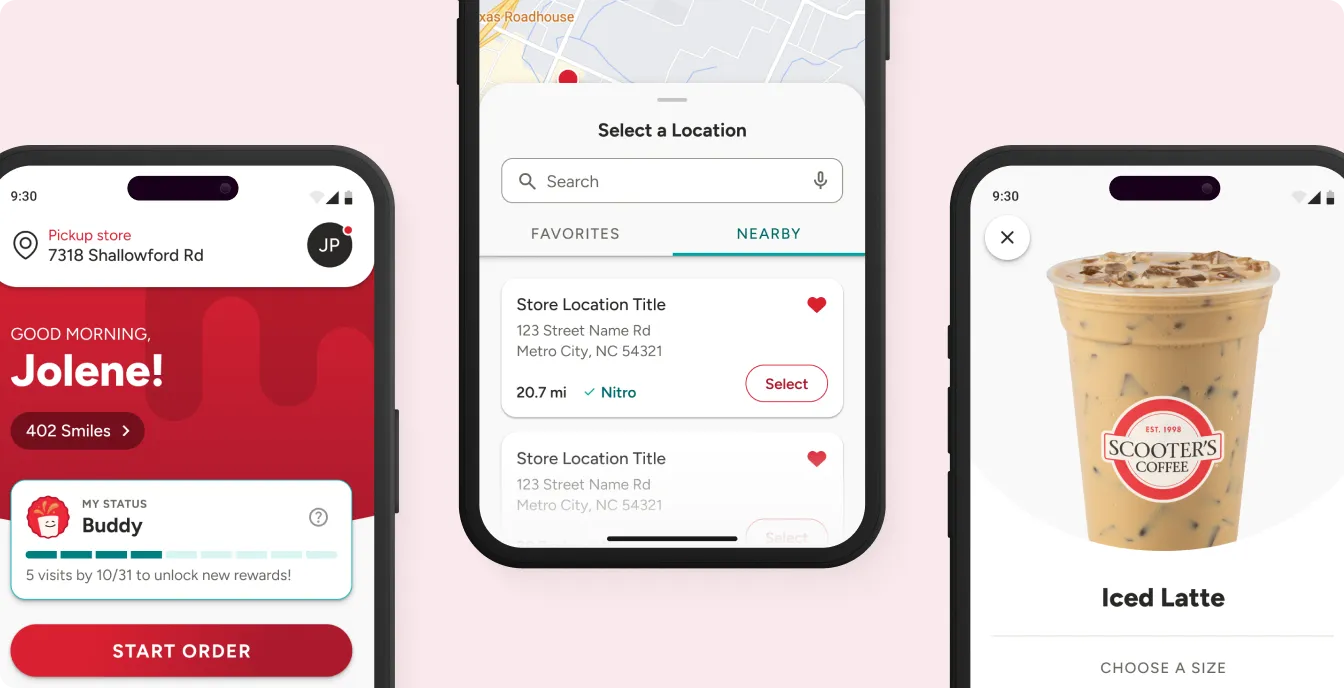
Two native apps into one, with zero downtime

- native apps into one codebase
- 2
- downtime
- 0
- feature parity
- 100%
A Braze optimization roadmap for Blade

An audit of Blade’s Braze setup, turned into a lifecycle roadmap.





We’ll care about your success as much as you do.
Our unicorns read every message and reply, usually the same day.
Start the conversationA 30-minute call about what you’re building.