

Know what’s in your codebase before you bet the roadmap on it.
Senior VGV engineers review your app against the standard we hold our own code to. You get a plan, not a grade: what to fix first, in what order, and why.
A 30-minute conversation about your product. If your codebase is in good shape, we’ll tell you that too.
The report Ranked critical to low
- 1 Critical Secret in the build Security
- 2 High No tests for checkout Testing
- 3 High State held in the widget State management
- 4 Medium API call in the widget Architecture
- 5 Low Lint rule switched off Static analysis
Fix first 123
In their words
- Braver
“Very Good Ventures’ assessment of our mobile application codebase has been a game changer for the future of our company. Ever since we’ve followed their recommendations, we’ve been standing on solid ground to build the software that truly enables us to change health care for the better.”
CTO, Braver Mathieu D’Amours -

“VGV’s insightful guidance accelerated our efforts significantly, steering us towards a more robust and scalable app architecture.”
Slickdeals On the code assessment -

“Their proposal showed us how we could efficiently and consistently deliver improvements for the user.”
Nav On the code assessment
Get the assessment before the expensive decision, not after.
A code assessment is the cheapest way to find out what a codebase will cost you next year.
-
You inherited the app
Another team or agency built it, and nobody left can say how it holds together. -
You’re about to scale
More users, more features, more engineers. Find the cracks before the load does. -
You’re handing it off
A new team takes over. Give them a map of the codebase, not a guessing game. -
You’re weighing a rebuild
Rebuild, refactor or fix in place. Decide on evidence, before the budget is spent.
We review twelve areas against one standard.
Flutter, native iOS and Android, or a mix of them, with a specialist for each platform.
Read the standard in Very Good Engineering- Architecture Strong opinions about app architectures that are proven at scale, and where yours differs. The standard Layered architecture
- State management Your state management solution and how dependency injection is used. The standard State handling
- Project structure How the app is organized, by feature or by type, and how it splits into packages. The standard Project structure
- Code quality Overall quality, organization, consistency and best practices. The standard Code style
- Static analysis Whether the code takes full advantage of the Dart analyzer and lint rules like very_good_analysis. The standard very_good_analysis
- Testing What’s tested, what isn’t, and how far you are from the 100% coverage we hold our own code to. The standard Testing overview
- CI/CD Whether every push is tested, built and checked automatically, with the config in the repo. The standard CI/CD
- Dependencies Your Flutter version, packages and plugins, and what is out of date or risky. The standard Services
- Security Risky practices, such as secrets in the build, unprotected local storage and missing SSL pinning. The standard Security in mobile apps
- Widgets and performance Theming, localization, accessibility and widget performance. The standard Widgets
- Navigation How screens connect, and whether deep links and back behavior hold up. The standard Routing overview
- Onboarding and docs How long a new engineer takes to ship, and what would make it faster. The standard Code documentation
It runs in four steps: access, review, report, and readout.
Usually two to three weeks for one app, at a fixed fee agreed before we start.
-
You share the repo, CI, design files and API docs. We talk with your engineers about where it hurts.
-
Senior VGV engineers go through the code against the standard we hold our own work to. We’re nit-picky, and we don’t sugarcoat anything.
-
Every finding is ranked critical, high, medium or low, with the reason and the fix written down.
-
A 60–90 minute session with your engineering leads to walk through the findings and agree what to do first.
Every report ends with a path forward.
We say which one we’d take and why. The call is yours, and we help with whichever you choose.
- Targeted fixes
Fix what matters most
Most codebases need a short list of changes, in the right order. Your team can take them from the report.
- Refactor in place
Improve it while it ships
Raise the standard flow by flow without stopping the roadmap. We can pair with your engineers while they do.
Flutter Enablement - Rebuild or migrate
Start the next version right
When fixing costs more than rebuilding, we say so, and show you the phased way to get there.
Migrate to Flutter
Teams that built on the findings.
All success stories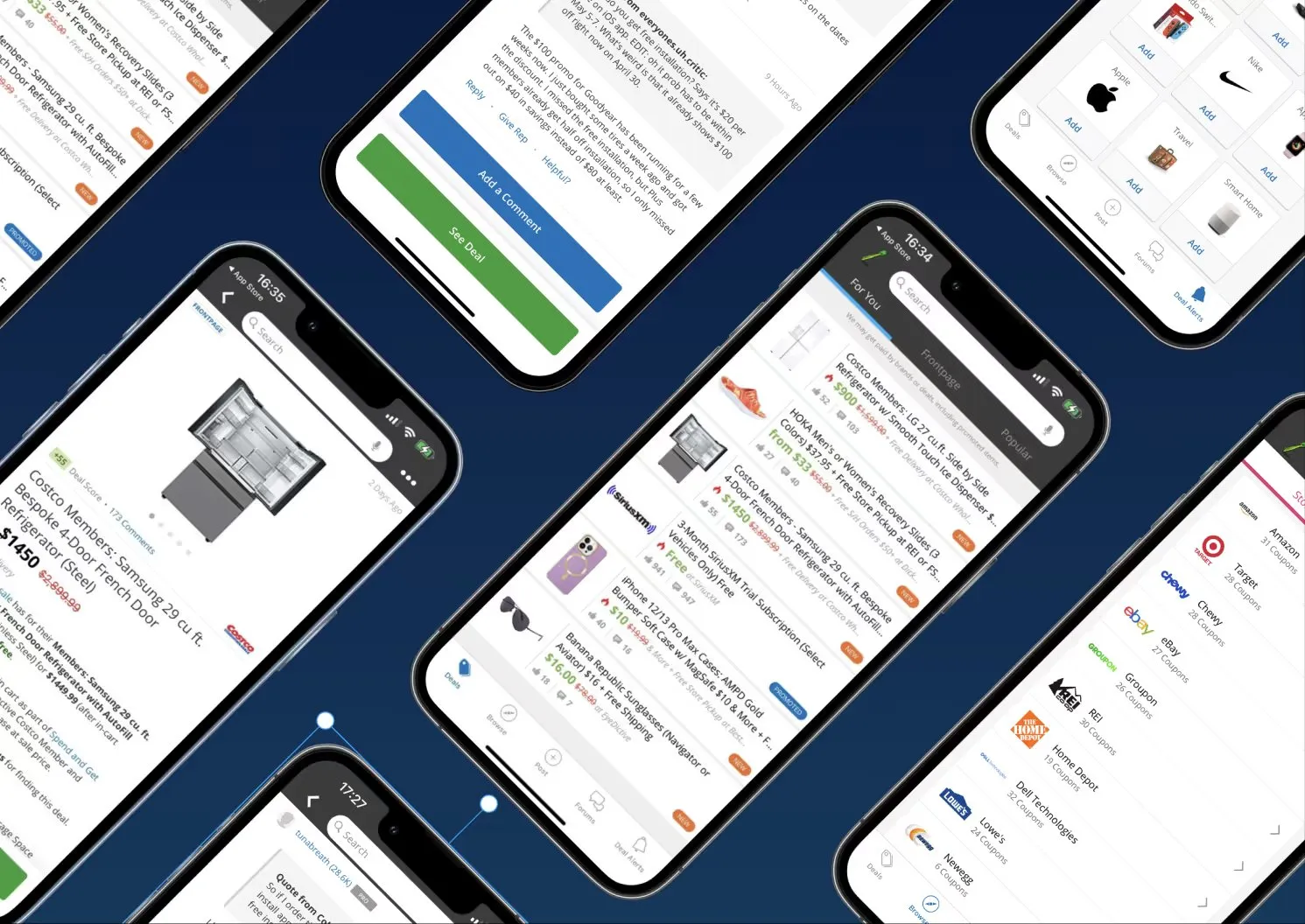
Slickdeals doubles release velocity with Flutter
- release velocity
- 2x
- test coverage
- ~80%
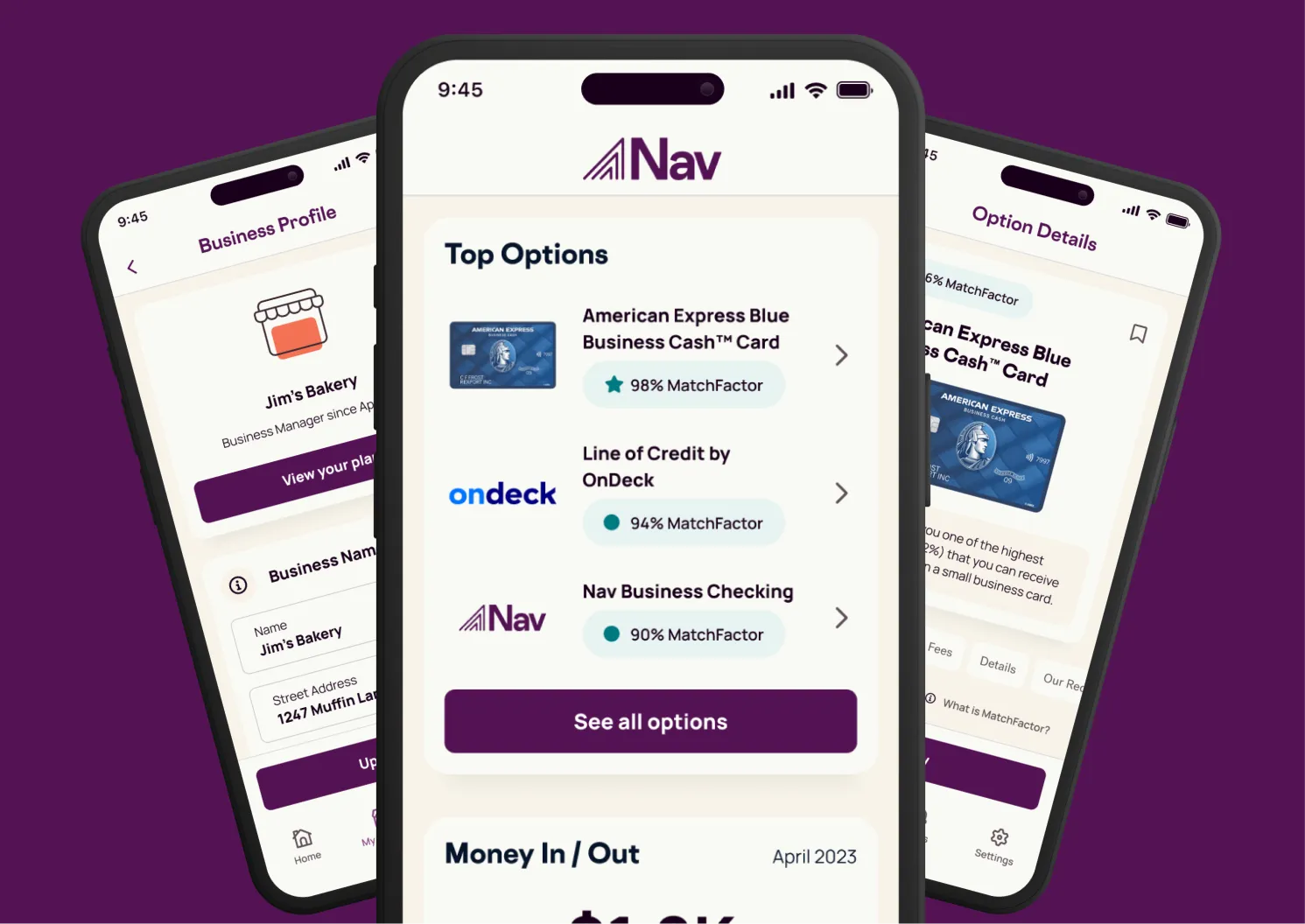
Nav doubles user growth with Flutter
- user growth
- 2x
- engagement increase
- 200%
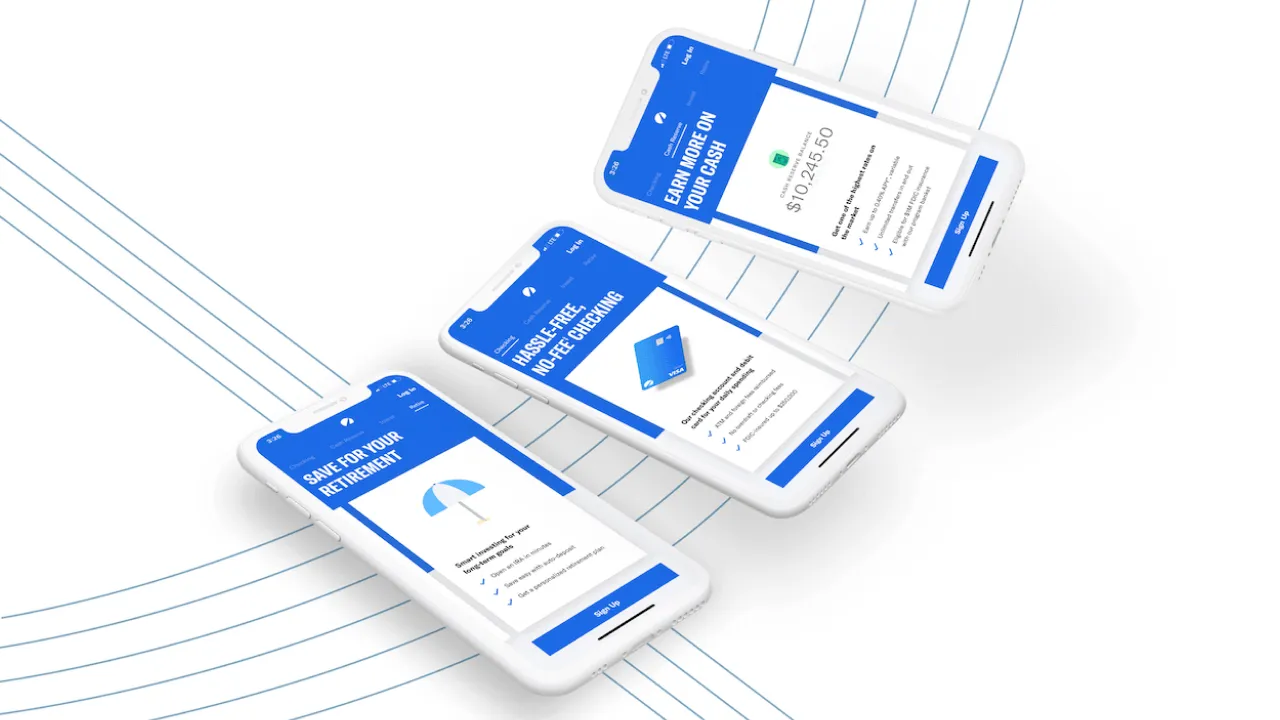
Betterment: two native codebases into one

- Betterment accounts
- 775K+
- in assets, March 2023
- $32B
- Flutter developers trained
- 20+
What teams ask before they share the repo.
Short answers from real assessments. Anything else, bring it to the first call.
01 How long does a code assessment take?
Usually two to three weeks for one app. A portfolio of apps, or Flutter plus native code, takes longer, and we agree the length before we start.
02 What do you need from us?
Access to the repo and CI, any design files and API docs, and some time with the engineers who know the app best.
03 Do you only assess Flutter apps?
No. We assess Flutter, native iOS and Android, and apps that mix them, with specialists for each platform working in parallel.
04 What do we get at the end?
A written report with every finding ranked critical, high, medium or low, the reason behind it and the fix, plus a readout with your engineering leads.
05 Will you tell us to rebuild?
Only if it’s the cheaper path. Most codebases need a short list of fixes in the right order, and the report says which it is.
06 Can you help fix what you find?
Yes. Your team can take the report and run, or we can pair with your engineers through Flutter Enablement or take on the work directly.
07 Who owns the report?
You do. It’s yours to share with your team, your leadership or your next vendor.




We’ll care about your success as much as you do.
Our unicorns read every message and reply, usually the same day.
Start the conversationA 30-minute call about what you’re building.