Scooters Coffee
AI-Powered Native-to-Flutter Migration for a Revenue-Critical Mobile Platform
Industry
Food & Beverage
Project Type
Mobile App Flutter Migration
VGV Services
Engineering, Design, Product

Overview
A fully connected, AI-powered loop across product, design, and engineering.
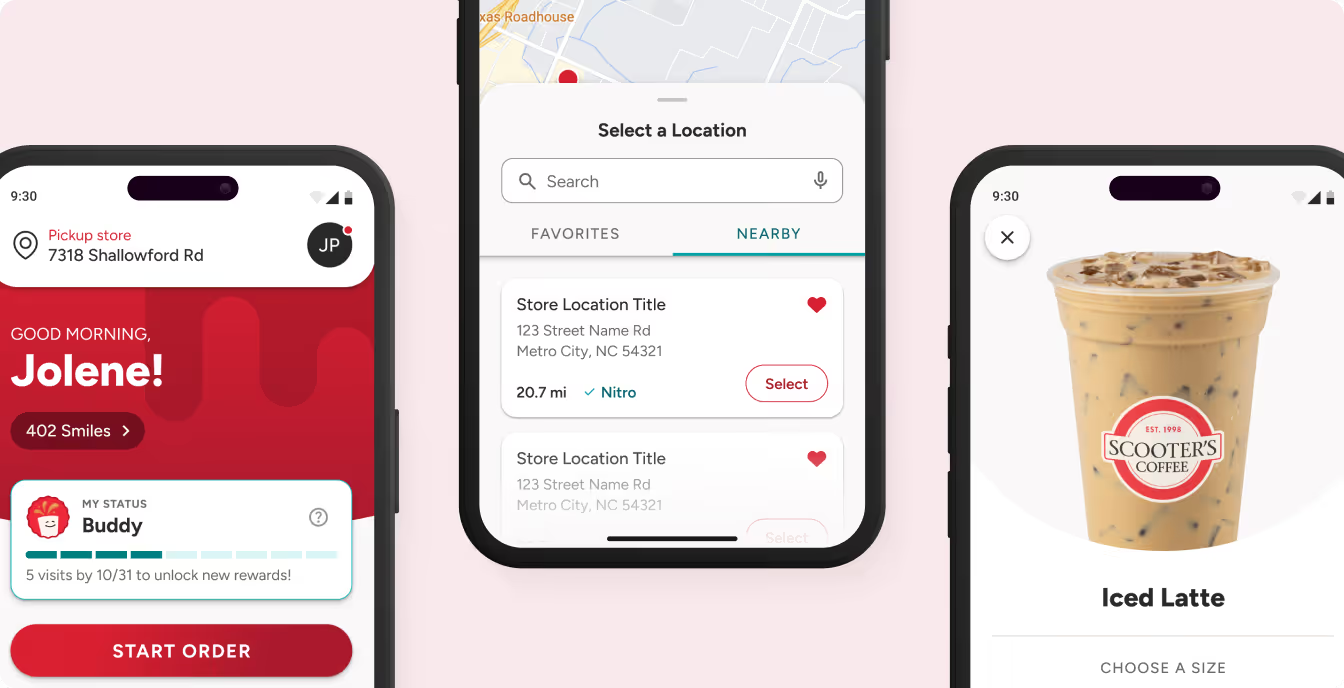
Scooter's Coffee runs two mature, revenue-generating native mobile apps. iOS is built in Swift and SwiftUI, Android in Kotlin and Jetpack Compose, and together they drive hundreds of millions of dollars in annual revenue. When Scooter's decided to unify onto Flutter for a single shared codebase, VGV joined the team to lead the migration with an AI-first approach built from the ground up, compressing a project originally estimated at 6–8 months into roughly 3–4.
The Challenge
Merge two live, revenue-critical native apps into one Flutter application. Zero downtime, zero disruption, zero compromise.
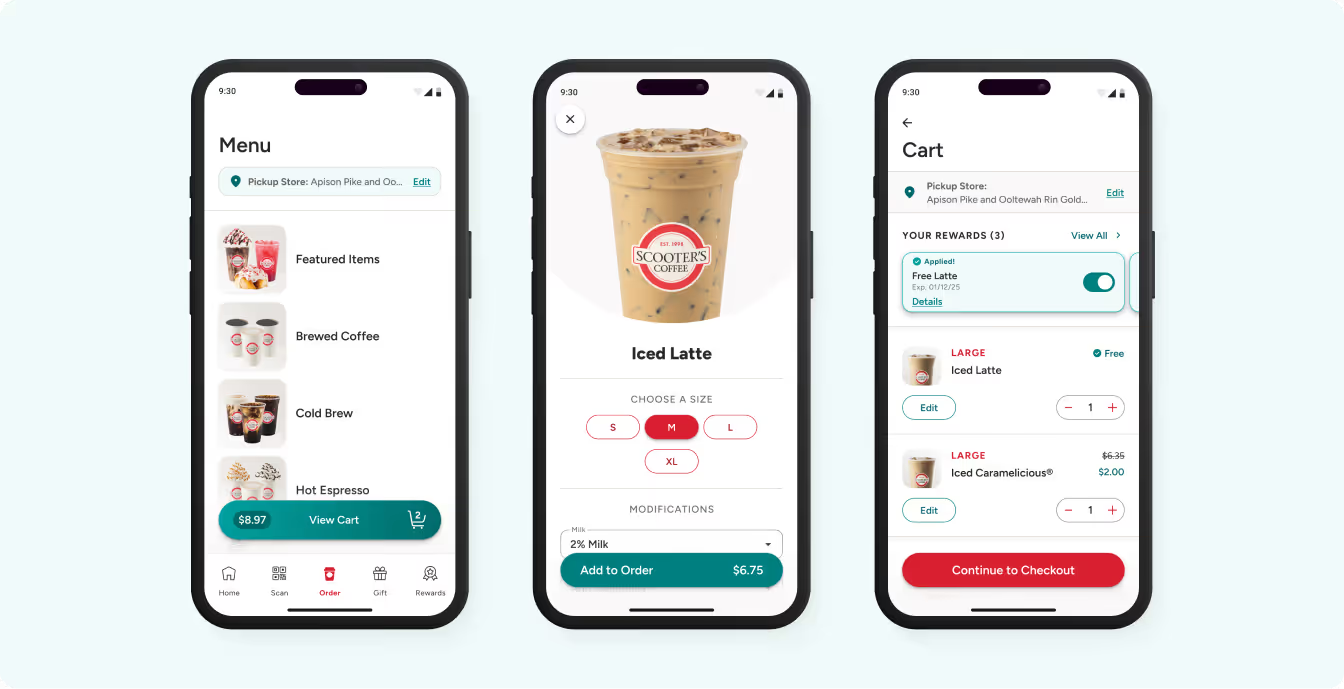
This wasn't a greenfield build. These were live, business-critical applications that customers depended on every day. The apps were the primary revenue driver for the business. Disruption wasn't an option.
That meant the migration couldn't cut corners. Full feature parity, existing test suites, all backend integrations, and a transition users would never notice, with no re-login and no downtime. Everything had to carry over. Two mature codebases, managed by different teams, each with their own platform-specific patterns, dependencies, and test coverage, needed to converge into a single Flutter application without introducing regression or downtime.
The complexity was high, the dependencies were significant, and the bar for quality was set by apps already generating hundreds of millions in revenue.
Our Approach
Two workstreams, one unified platform.
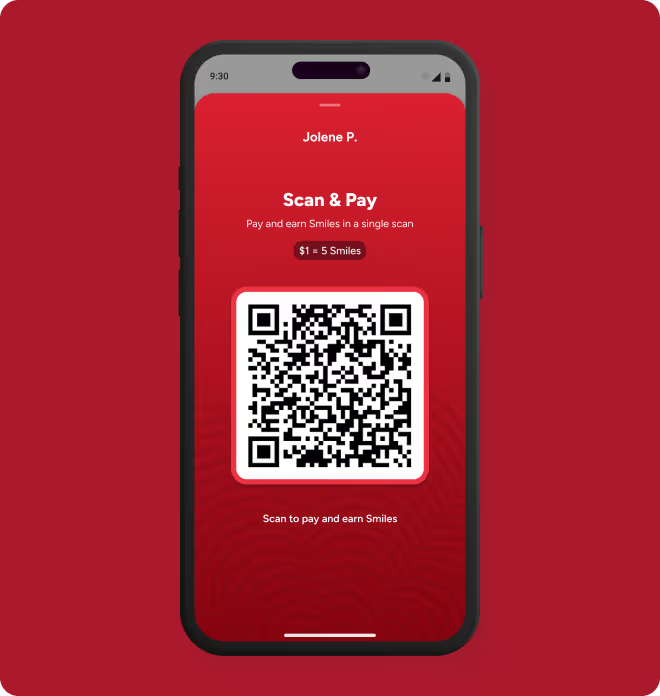
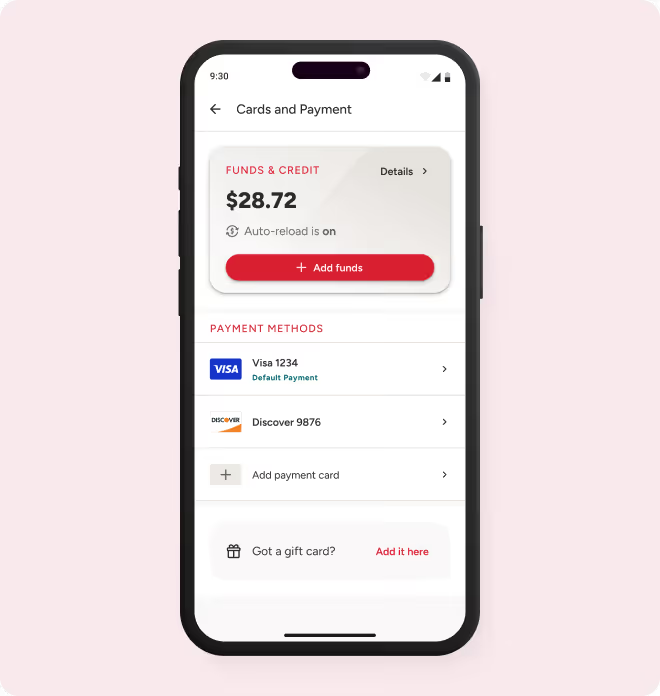
VGV approached this engagement in two connected workstreams: the native migration itself, and the ongoing Flutter development and product infrastructure that would carry the platform forward.
Workstream 1
Native migration
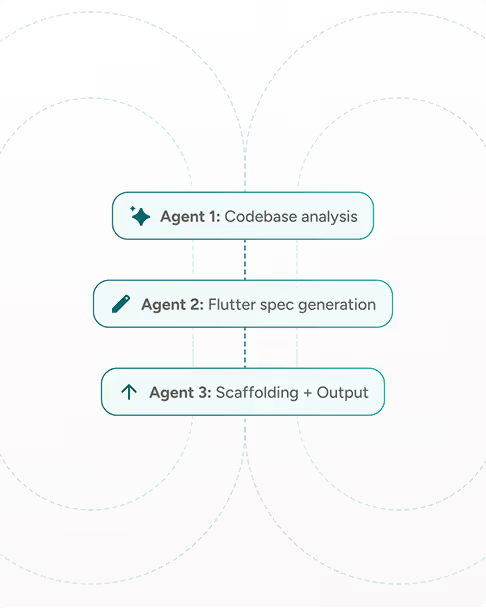
Rather than manually analyzing two mature codebases and producing specs by hand, VGV built a custom multi-agent pipeline to drive the migration. Multiple agents work in a cascading sequence.
Agent 1 (Codebase analysis): Platform-specific agents for iOS and Android analyze each codebase, covering features, architecture, dependencies, test suites, integration tests, and documentation, and decompose the app into its constituent feature sets, functional areas, and requirements.
Agent 2 (Flutter spec generation): Consumes the analysis output and produces a Flutter application spec, architected against VGV's published engineering standards and open-source architecture repositories.
Agent 3 (Scaffolding and output): Using the outputs from the first two agents, works across Figma, Jira, and Flutter to generate the actual components and scaffolding for the new Flutter application.
This pipeline takes the migration from native codebases to a structured, standards-compliant Flutter scaffold. Not for free, but exponentially faster than doing it by hand.
The scaffold follows Feature-First Clean Architecture, the pattern VGV published earlier this year. How it held up at 16 features and 88 packages, and what the migration cost, is covered in Feature-First Clean Architecture in Production.
Workstream 2
Flutter development and product infrastructure
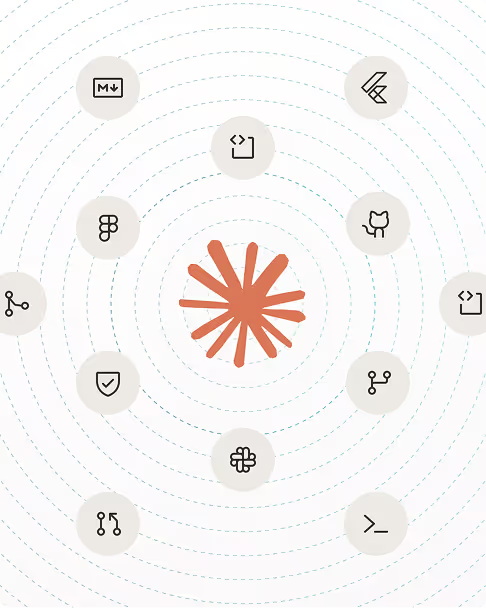
Alongside the migration, VGV deployed AI-first development workflows across the entire product team. Engineers, designers, and PMs all operate with heavy AI tooling embedded in their day-to-day work.
VGV built custom Claude Code skills that take Figma designs and scaffold Flutter widgets directly, compressing the time between design intent and production code. A parallel set of skills takes those same Figma designs and generates product backlog stories and requirements, so specs are always grounded in what was actually designed, not interpreted from it after the fact.
The result is a virtuous cycle between product, design, and development. Design produces a screen. AI generates both the widget and the ticket. Engineering builds from specs that match the design exactly. The loop closes without the gaps that normally accumulate between disciplines.
Why it matters
Results & Impact
~50% timeline compression
Migration completed in 3–4 months, down from an estimated 6–8.
Multi-agent pipeline
Native iOS and Android codebases analyzed, specced, and scaffolded automatically.
Full parity
Feature and test coverage maintained throughout; live apps unaffected.
One loop
Product, design, and engineering connected through AI tooling.
Single codebase
Scooter's Coffee will operate from one shared Flutter codebase.
More Work
More Success Stories
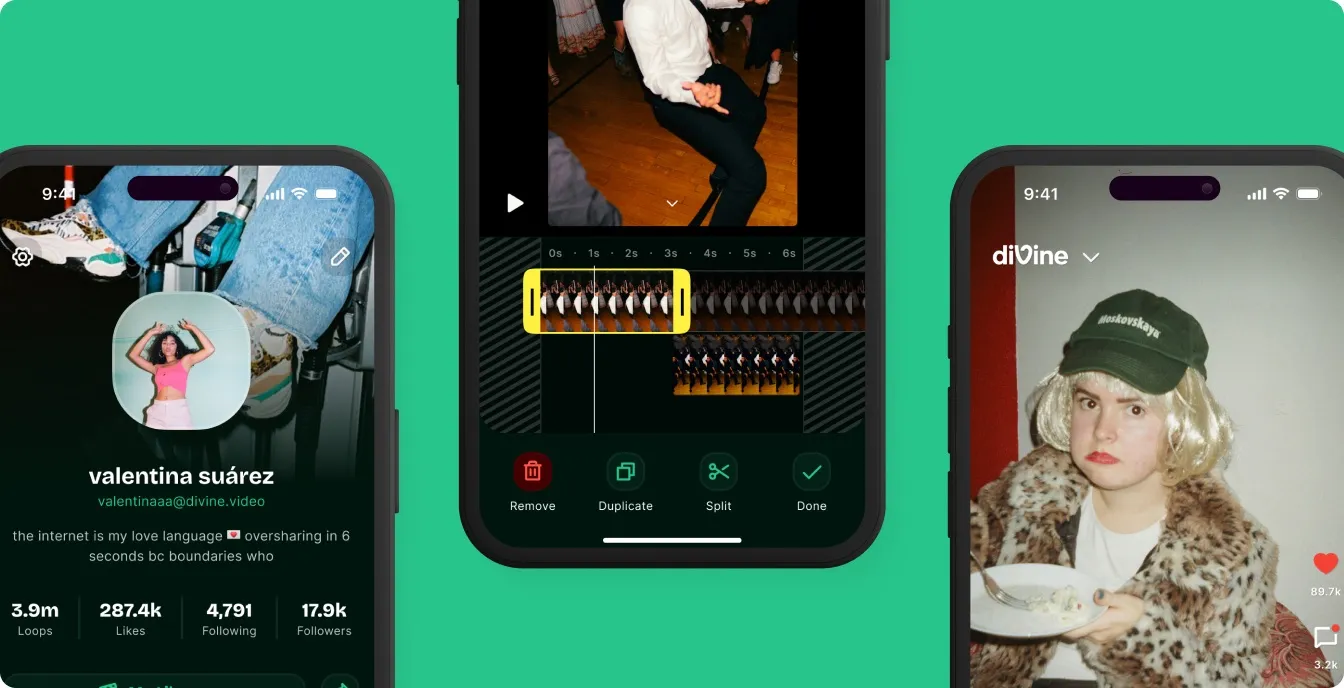

From Vibe-Coded to Production-Ready in 90 Days
How VGV helped Divine ship a production-ready decentralized video app in 90 days with Claude AI-enabled workflows.
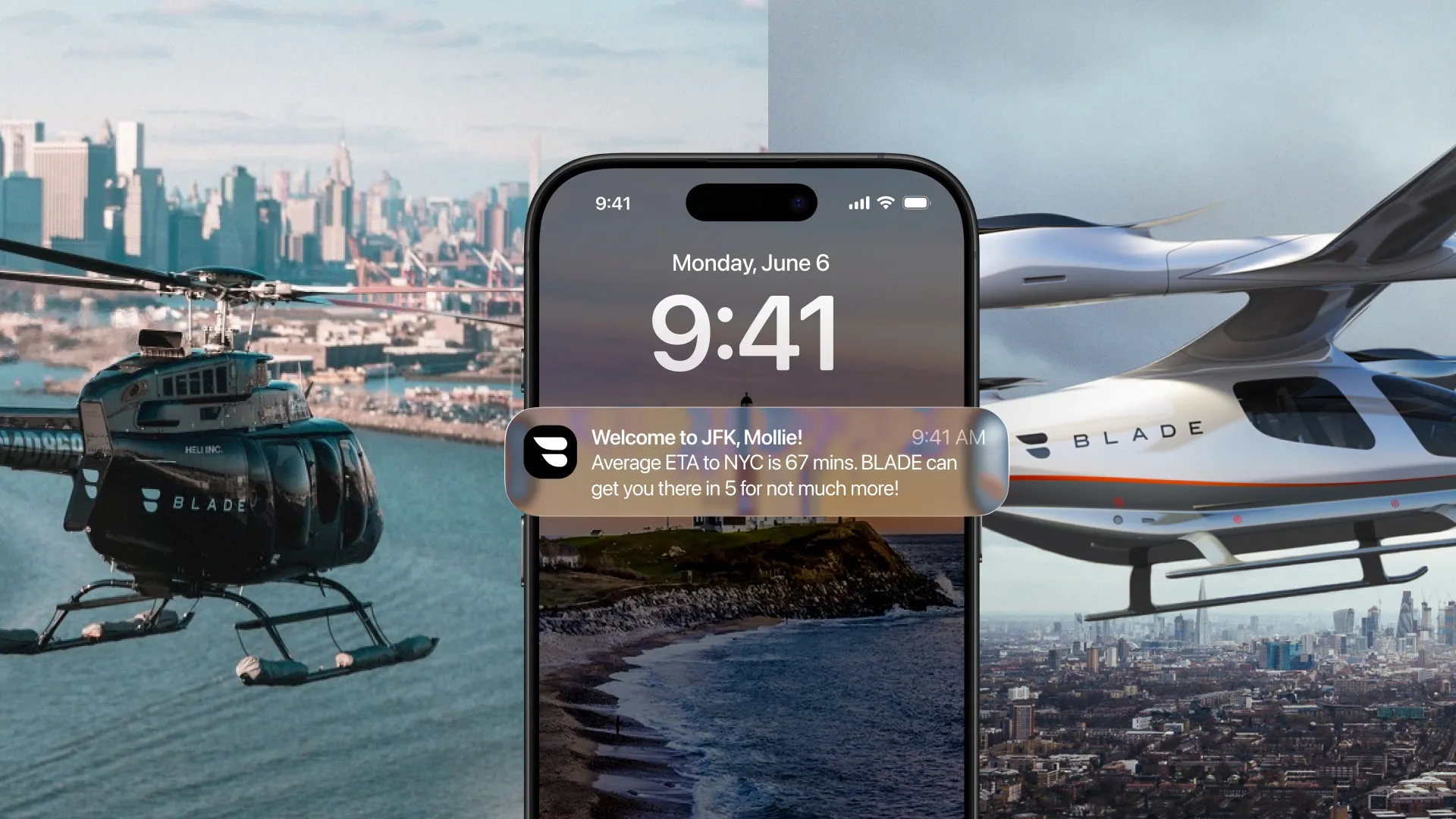

From Audit to Action: A Strategic Braze Optimization Roadmap
Auditing Blade’s Braze implementation and delivering a strategic optimization roadmap—lifecycle campaigns, technical fixes, and personalization plays that drive first and repeat purchases.
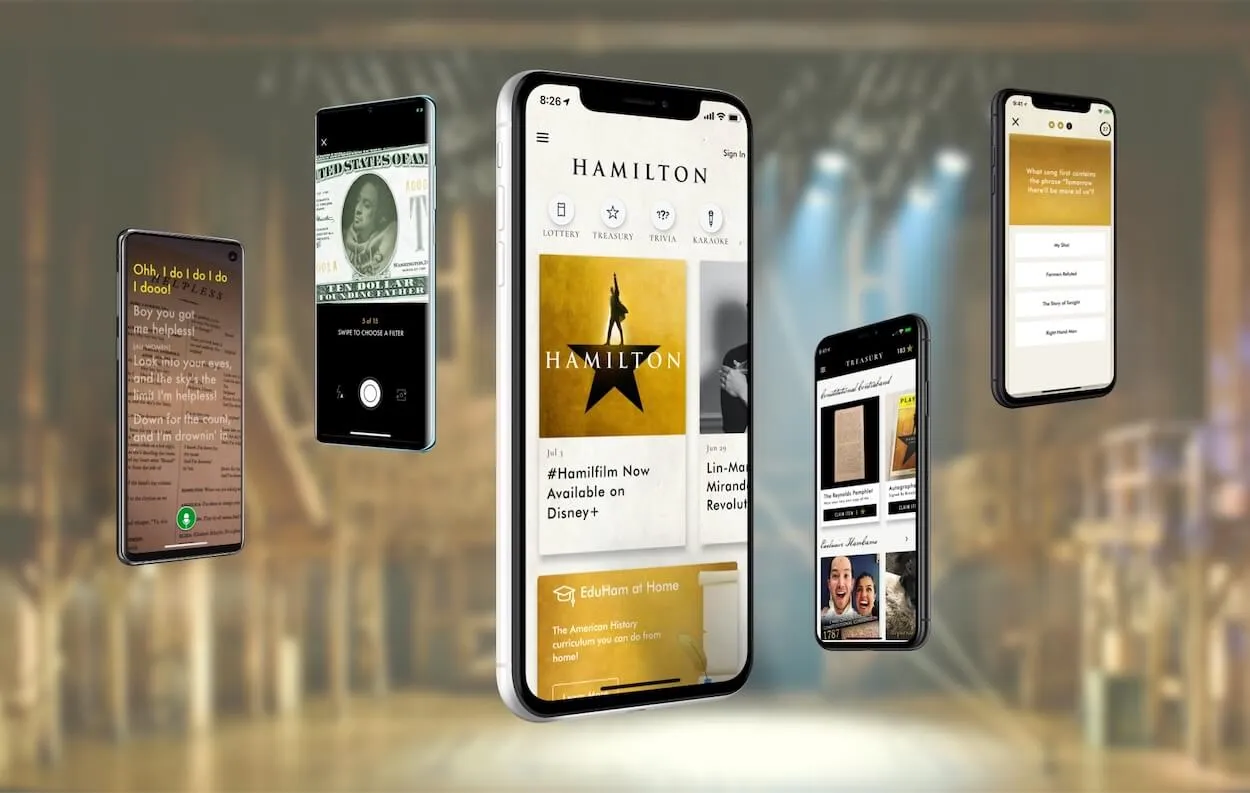

The First Commercial Flutter App Makes Exclusive Hamilton Musical Content Accessible to All
Discover how the official Hamilton app was built with Flutter to deliver exclusive content and seamless performance across devices worldwide.