
We make your team very good at Flutter. Then we leave.
Hands-on training, code review and architecture guidance inside your repo, until your engineers ship Flutter to the VGV standard without us.
A 30-minute conversation about your team.
- Assess
- Pair
- Hand over
In their words
-

“Even with a talented team, converting two large, legacy codebases into a single codebase using an unfamiliar technology was a challenging proposition. Working with VGV gave us the added confidence we needed to evaluate Flutter, figure out that we love it, and commit to migrating our entire app.”
VP Architecture, Betterment Sam Moore -

“VGV’s insightful guidance accelerated our efforts significantly, steering us towards a more robust and scalable app architecture.”
Slickdeals On the code assessment -

“Their proposal showed us how we could efficiently and consistently deliver improvements for the user.”
Nav On the code assessment -
“Each member on our team was contributing meaningful updates to our codebase in less than two weeks. On top of that, many of our teammates said that the training was simply fun.”
Betterment On the training, in their engineering blog
The goal is a team that doesn’t need us.
Very good first. Then on your own.
Your team works to the standard we hold our own code to, and keeps working to it after we go. No long-term dependency, no black box. It’s the same program every new VGV engineer has gone through since 2018. The standard is written down, in public, in Very Good Engineering.
The standard gets into your repo in six ways.
Each one links to the guide your engineers keep using after the engagement ends.
- 01 The standard Pair programming Your engineers and ours on the same tickets, in your repo, while real features ship. Our philosophy
- 02 The standard Code review Every pull request reviewed against the standard we hold our own code to, with the reasons written down. Code reviews
- 03 The standard Architecture mentorship Layered architecture and Feature-First Clean Architecture, worked through on your codebase instead of a slide. Feature-First Clean Architecture
- 04 The standard Testing standards How VGV reaches 100% test coverage, and the habits that keep it there after we leave. Testing overview
- 05 The standard CI/CD The pipeline that tests, builds and deploys every push, set up with your team so they can change it. CI/CD
- 06 The standard Training Group sessions, hands-on examples and breakout groups, the format that got Betterment’s engineers building in Flutter. The training
We build the training around your team.
We pick the lessons with you and run them over a few days to a few weeks, online, on site or both. Every lesson ends with your engineers writing code.
-
Your stack, not ours
Architecture, forms and testing lessons come in a Bloc or a Riverpod track, so your team learns the approach it already uses.
-
More coding than slides
A short talk plants the idea. Then your engineers practice it on sample apps built to our standards, with our team in the room.
-
Ready on day one
Prerequisite material and the sample projects arrive before the first session, so it starts on solid ground.
The foundation
12 lessons- Never say no to designers! Building custom UIs with Flutter
- Widget catalogs with Widgetbook
- Architecting your application with Bloc or Riverpod
- FFCA architecture for Flutter
- Connecting with the clouds: networking over HTTP
- From A to B: how navigation between pages works
- Helping your next million users: internationalization and accessibility
- Making your product extra fun: forms in Flutter!
- Unit and widget testing with coverage
- Testing with Bloc or Riverpod
- Golden testing with Alchemist
- Pushing the limits of automation
Add what your product needs
9 lessons- Introduction to Dart
- Building an animated splash page
- Don’t reinvent the wheel: using and creating packages and plugins
- Let the computers do the work for you: code generation
- Building backends in Dart with Dart Frog
- Building a GraphQL API with Amplify
- When things break in production: error reporting with Sentry
- AI-assisted engineering with Claude Code
- AI-assisted workflows for Flutter and Dart
The AI lessons teach the workflow our own engineers use: Claude Code with VGV Wingspan, the Very Good AI Flutter Plugin and the Very Good CLI MCP server.
Releases speed up, surprises drop, and your team owns the work.
Less duplicated code means less technical debt, and a codebase with tests is one people dare to change. In the teams’ own numbers:
Teams that took it from here.
All success stories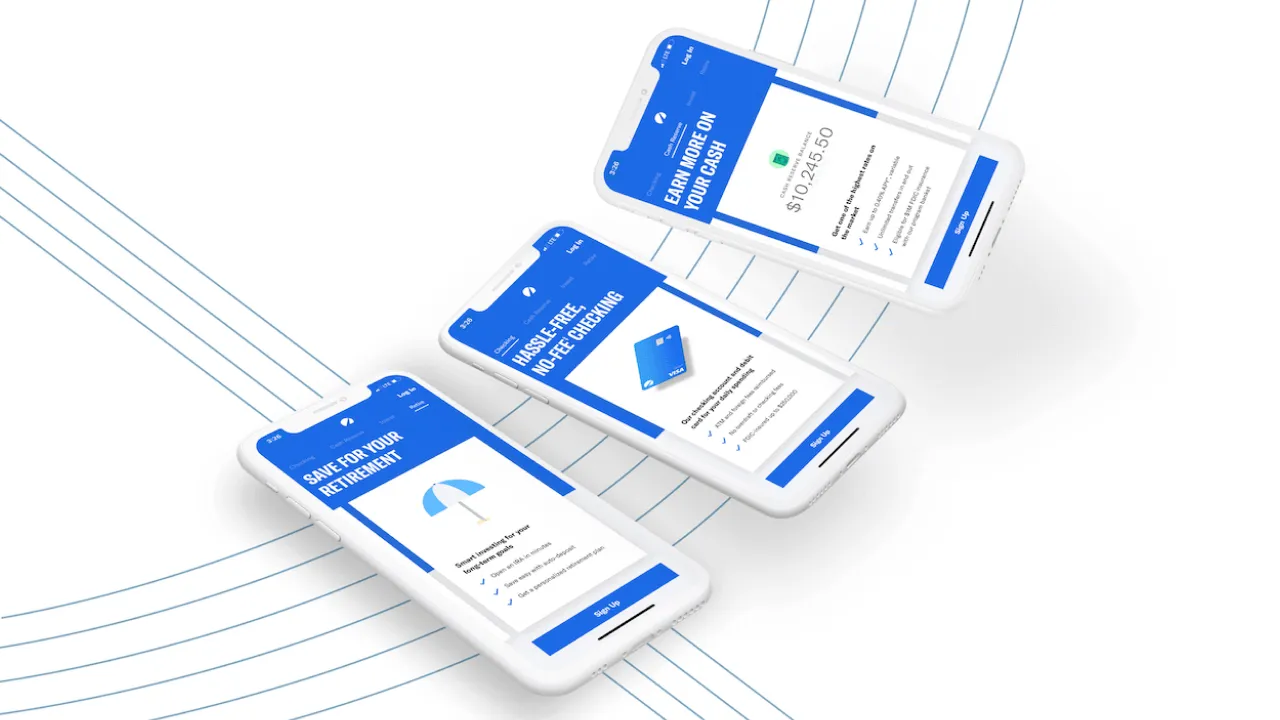
Betterment: two native codebases into one
- Betterment accounts
- 775K+
- in assets, March 2023
- $32B
- Flutter developers trained
- 20+
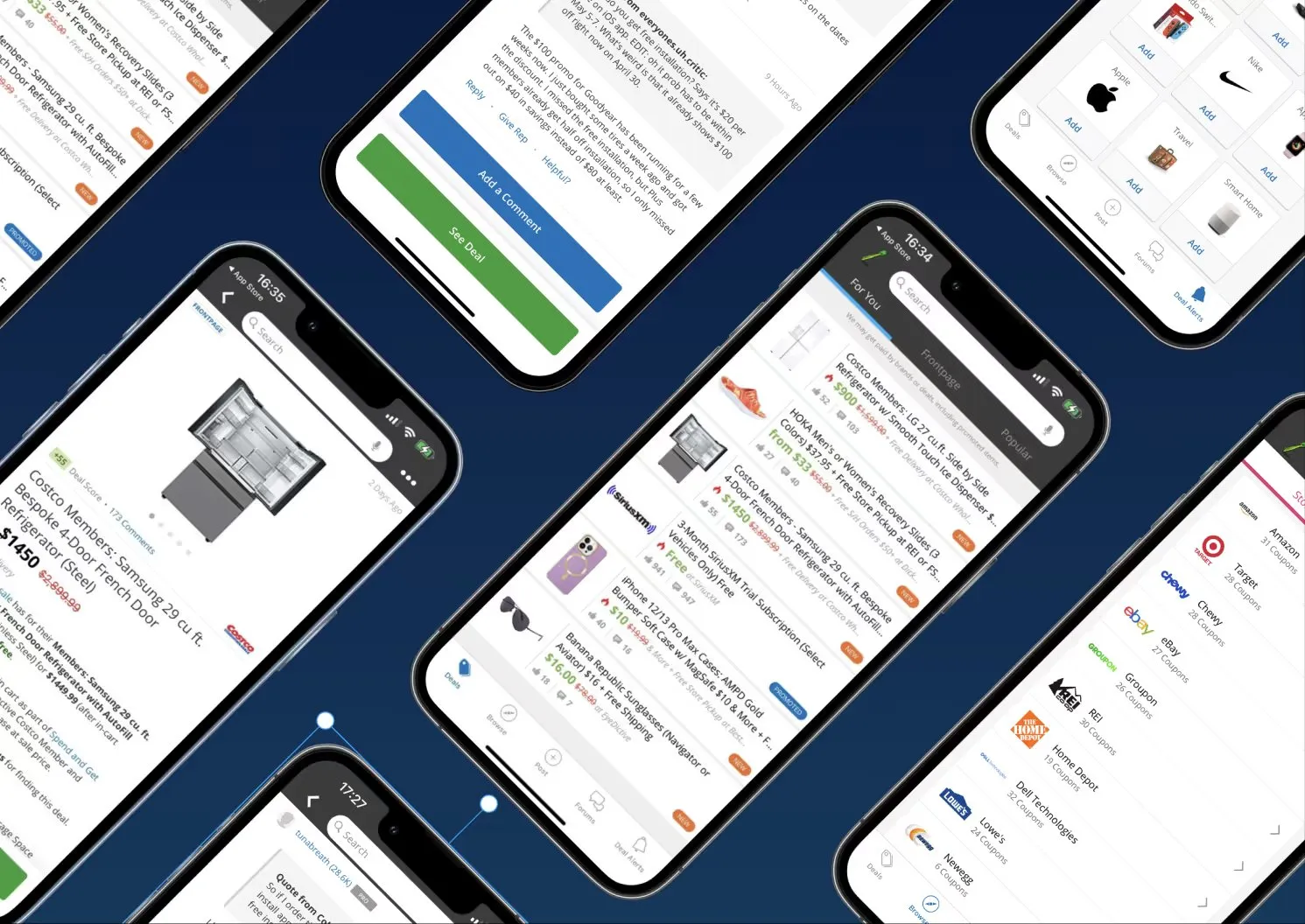
Slickdeals doubles release velocity with Flutter
- release velocity
- 2x
- test coverage
- ~80%
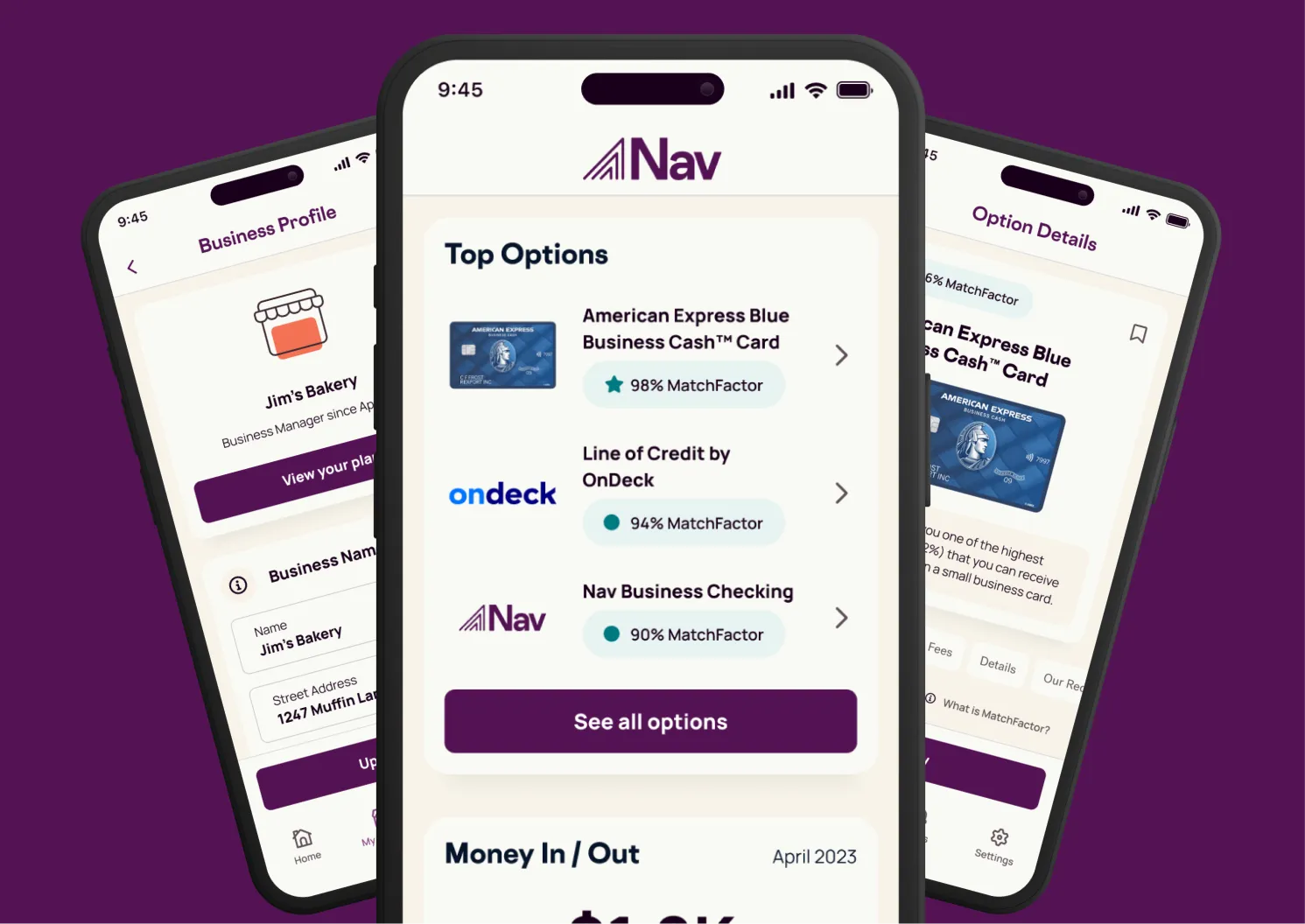
Nav doubles user growth with Flutter
- user growth
- 2x
- engagement increase
- 200%
What teams ask before the first session.
Short answers from real engagements. Anything else, bring it to the first call.
01 Do our engineers need Flutter experience first?
No. Betterment’s engineers were new to Flutter and were building features themselves soon after training.
02 We use Riverpod. Is that a problem?
No. The architecture, forms and testing lessons come in a Bloc or a Riverpod track. We pick one with you and stay consistent throughout.
03 Can we book the training on its own?
Yes. Training runs from a few days to a few weeks, depending on where your team starts and which lessons you pick. We agree the lessons and the calendar before the first session.
04 Is the training remote or in person?
Either, or both. Many trainings mix online sessions with in-person workshops.
05 Can individual developers sign up?
No. Training is for engineering teams.
06 How big does the team need to be?
Enablement works with the team you have. At Betterment it reached more than 20 developers, through group sessions, hands-on examples and breakout groups.
07 How long does an engagement run?
Until your engineers ship without us. Nav’s ran nine months, from modernizing the stack to training the in-house team. The first step of a migration runs three weeks.
08 Is it only for teams moving from native to Flutter?
No. Nav already ran Flutter. The work was upgrading dependencies, migrating to null safety, adopting a scalable state management solution and training the team on best practices.
09 Can you enable the team while you build?
Yes. At Betterment we migrated the app in phases while training the engineers who would take it over.
10 What happens after the engagement ends?
Your team keeps the code, the IP and the standards. The standards are public in Very Good Engineering, so nobody has to remember them.




We’ll care about your success as much as you do.
Our unicorns read every message and reply, usually the same day.
Start the conversationA 30-minute call about what you’re building.