


Executive summary
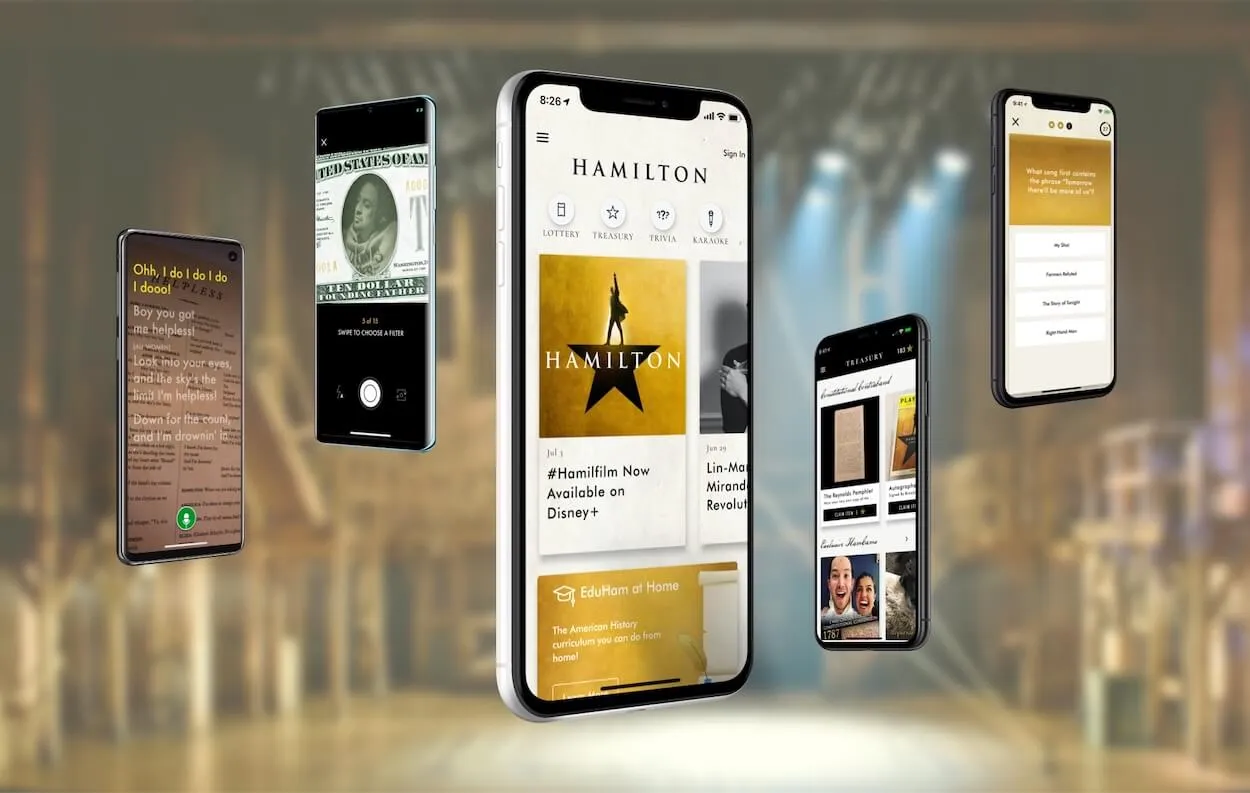
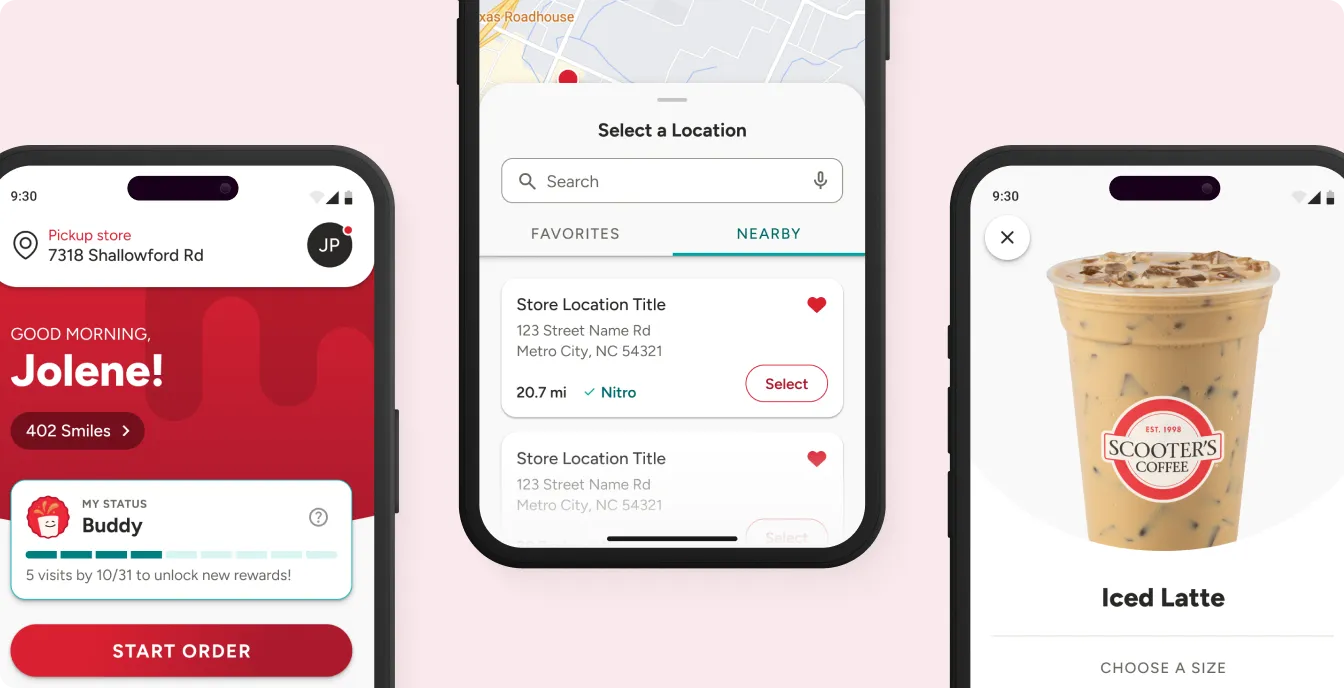
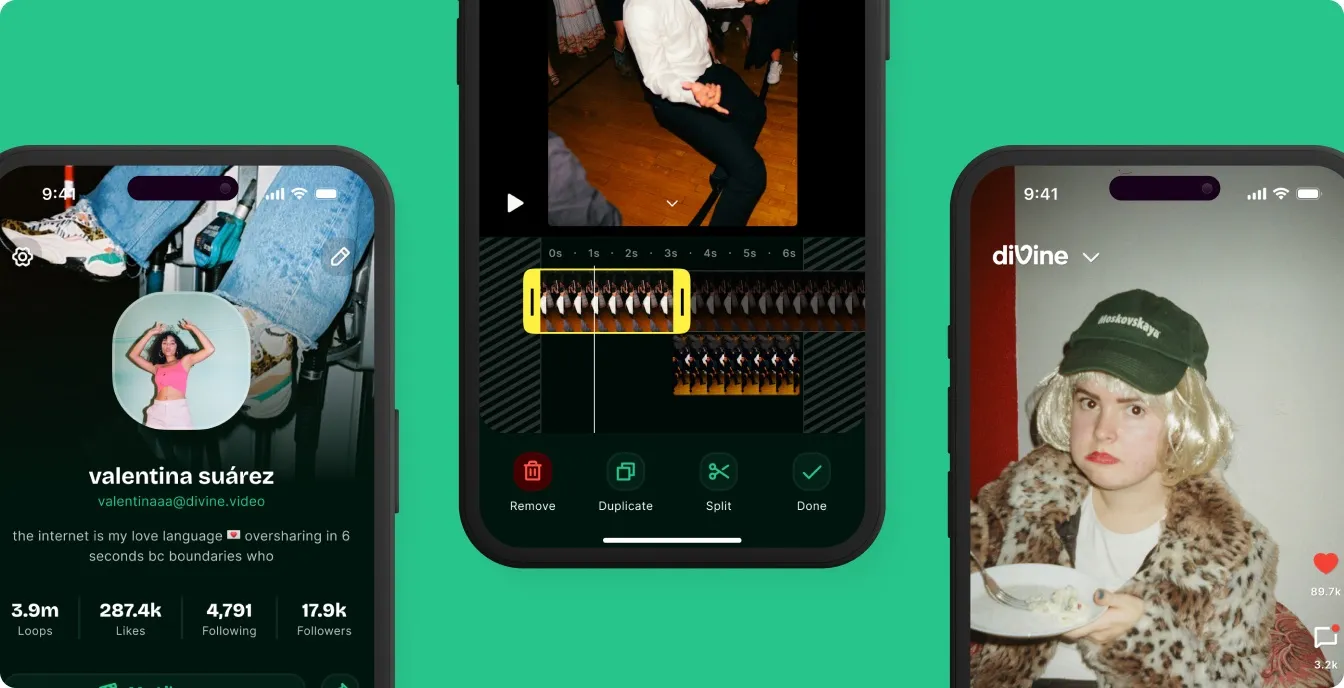
In today’s digital landscape, consumers don’t interact with products—they engage with experiences. Whether on phones, laptops, smartwatches, TVs, in-car displays, or within physical environments, these interactions occur continuously and across multiple touchpoints each day. Customers expect these transitions to be consistent, context-aware, and personalized, regardless of device or platform.
Most organizations aren’t failing because they lack the technical capability to deliver these experiences—they’re struggling because the current approach makes doing so cost-prohibitive and slow. Building and maintaining separate codebases, coordinating siloed teams, and duplicating effort across platforms have made true multi-device continuity unscalable. Until now.
Recent advances in cross-platform frameworks (like Flutter), real-time data architectures, AI-driven development and experiences, and contextual personalization have unlocked a new possibility: to deliver cohesive, adaptive experiences faster, more efficiently, and with greater ROI across all devices. These tools reduce redundancy, accelerate development, and enable intelligent engagement at scale.
To help organizations navigate this shift, Very Good Ventures developed the Multi-Device Maturity Model (MDMM)—a research-backed framework to assess current capabilities, identify strategic gaps, and define a roadmap for scalable, high-performing cross-platform ecosystems.
Whether you’re seeking to improve time-to-market, increase team efficiency, or deliver experiences that deepen loyalty, this framework offers practical, actionable information to help you scale intelligently and drive long-term success in a rapidly evolving digital landscape.
Customers don’t think in devices—they think in journeys
Over the past five years, the average number of connected devices per person has grown by over 60%, reflecting a dramatic shift in how people interact with digital products. Today’s customers fluidly transition between phones, laptops, wearables, TVs, cars, and physical environments—expecting every touchpoint to remember and adapt to them, continuing the conversation seamlessly.
Most organizations haven’t made this strategic shift, and are still building for channels, rather than the continuity their customers demand. Fragmented systems, siloed teams, and inconsistent user experiences force people to reorient themselves at every step.
The data is clear: people are increasingly comfortable with and seeking digital experiences in place of classically in-person experiences. In a world where users expect brands to follow them, not the other way around, creating unified, multi-device journeys is no longer a nice-to-have—it’s a strategic requirement for relevance, loyalty, and growth. Younger generations expect brands to surface consistently in more and more modalities.
Growing comfort engaging in fully digital experiences for vital and everyday tasks
Percentage reporting they’re very or somewhat interested in being able to complete the following jobs-to-be-done with digital experiences in the next 3–5 years.
- Gen Z (aged 13–28)
- Millennials (aged 29–44)
- Gen X, Boomers, & Matures (aged 45+)
- Learn by viewing or interacting with objects or representationsGen Z: 68%Millennials: 62%Gen X, Boomers, & Matures: 41%
- Travel virtually to places I want to visitGen Z: 65%Millennials: 54%Gen X, Boomers, & Matures: 43%
- Meet family and friends to connect and share experiencesGen Z: 65%Millennials: 59%Gen X, Boomers, & Matures: 40%
- Attend virtual entertainment eventsGen Z: 63%Millennials: 57%Gen X, Boomers, & Matures: 34%
- Shop in a virtual storeGen Z: 62%Millennials: 56%Gen X, Boomers, & Matures: 35%
- Meet my medical professionalsGen Z: 57%Millennials: 51%Gen X, Boomers, & Matures: 33%
- Collaborate with colleaguesGen Z: 54%Millennials: 58%Gen X, Boomers, & Matures: 30%
You’re paying more to deliver less
Relying on a legacy approach to multi-device delivery forces organizations into duplicative, siloed development efforts. Teams are often split by platform—iOS, Android, web, Linux—each maintaining separate codebases, design systems, and backlogs. This leads to higher costs, additional management overhead, longer time-to-market, and inconsistent user experiences that feel disjointed and repetitive across touchpoints.
This fractured model is inefficient and unsustainable. As the number of digital channels grows, so does the complexity of supporting them. What starts as a patchwork of apps becomes a tangle of platforms, workflows, and isolated departments.
The result is slower innovation, frustrated teams, and customer experiences that fall far short of expectations.
“We struggled with the problem of maintaining multiple teams and multiple platforms—iOS and Android were two separate teams. Our standard procedure is to kick off an app in iOS, and when that is 70% done, we fire up an Android team. This approach results in higher cost and more delays. We wanted a way to get out of this hole.”
CTO of a Smart Home Product Company
Multi-device is finally scalable
Recent innovations in cross-platform frameworks and AI-driven tools have revolutionized the development of seamless multi-device experiences. Frameworks like Flutter enable developers to create natively compiled applications for mobile, web, desktop, and more from a single codebase, significantly reducing development time and effort.
For instance, the Flutter News Toolkit has been shown to reduce mobile app development time for media companies by up to 80% by providing pre-built modules for critical features.
Moreover, the integration of AI and machine learning has enhanced personalization across devices. Companies like Amazon leverage AI algorithms to present personalized product recommendations, contributing to approximately 50% of their sales.
These technological innovations not only simplify development but also power intelligent, context-aware experiences that align with today’s user expectations.
Legacy Team Design
Product Owner
- Engineering & Design Web Team2 CyclesWeb
- Engineering & Design iOS Team6 CyclesiOS
- Engineering & Design Android Team4 CyclesAndroid
Scalable Team Design
Product OwnerDesign LeadEngineering Team
- 3 CyclesWeb, iOS, Android
Personalization isn’t just about content—it’s about context
As user expectations continue to rise, companies that fail to deliver cohesive, personalized experiences risk more than just customer frustration—they risk irrelevance. The brands that succeed aren’t just meeting users where they are. They’re anticipating what users need next, on the device that makes the most sense in the moment.
Meanwhile, organizations that delay face a compounding disadvantage. Siloed systems and fragmented teams make every product launch slower, more expensive, and harder to scale. As competitors consolidate platforms and unify data, they increase their product velocity, shipping more innovation, more often, with less friction. Over time, laggards will find themselves shipping fewer products, at higher costs, with diminishing impact. Falling behind means losing loyalty, and it means losing market share.
71%
of consumers expect companies to deliver personalized interactions
Seamless is the standard, not a differentiator
Users increasingly expect experiences that feel not only interconnected, but also tailored to their environment, behavior, and device. It’s no longer enough to present the same interface across devices. Smart experiences now adapt what they show, how they behave, and when they engage—whether on a smartwatch during a run, a car screen during a commute, or a tablet at home.
Thanks to advancements in AI, machine learning, and edge computing, organizations can now interpret signals like device type, time of day, past behavior, and even physical location to optimize every interaction. The result isn’t just continuity, but relevance—experiences that anticipate user needs and feel intuitively designed for their current state.
32%
of consumers will leave a brand they love after just one bad experience
40%
faster revenue growth for companies that excel at delivering personalized experiences
Maturity model introduction
As digital products multiply and more device types become embedded in daily life, companies face a critical challenge: delivering experiences that feel continuous, personalized, and effortless—no matter where or how users engage.
While many organizations have the technical capability to build for multiple devices, the real challenge is delivering these experiences profitably and at scale. Traditional methods—developing natively for each device with siloed teams—have made it cost-prohibitive and slow. Coordinating across codebases, systems, and structures often leads to fragmented and expensive solutions that can’t keep pace with evolving expectations.
The Multi-Device Maturity Model (MDMM) is a strategic framework that helps organizations assess their current capabilities, identify key gaps, and define a roadmap toward seamless, scalable multi-device experiences.
Our research shows that businesses operate across five distinct maturity levels—from siloed, device-specific approaches to fully integrated, context-aware ecosystems. The model draws on extensive work with product and engineering teams tackling multi-device complexity, highlighting key patterns and decision points across industries.
The MDMM examines everything from technical infrastructure and design excellence to cross-functional collaboration and ecosystem partnerships. It offers a clear, shared language to evaluate readiness, align teams, and prioritize the investments that matter most.
In the pages that follow, we outline:
- Key characteristics of each maturity level
- Signals that it’s time to evolve
- Strategic reasons to advance
- Enablers that support scalable growth
Whether your goal is faster time-to-market, improved system unification, or delivering personalized experiences at scale, this model provides a practical path forward.
Levels of MDMM
Research indicates most companies operate at Level 1, 2, or 3
- Level 1Siloed ExperiencesExperiences lack integration, and fragmented development leads to high costs with low return, putting long-term competitiveness at risk.
- Separate teams and backlogs by platform
- No shared codebase, design system, or data layer
- Disjointed user journeys across devices
- Leadership hasn’t prioritized multi-device strategy
- Focused on short-term, device-specific delivery
- Some products lag others, delaying new feature rollouts
- Level 2Fragmented FoundationsThe vision for multi-device is emerging, but delivery remains fragmented, inconsistent, and expensive to maintain.
- Leadership beginning to invest in integration
- Multiple design systems and tech stacks maintained
- Disjointed experiences and context loss across devices
- Teams and backlogs still organized by platform
- Delivery is slow, redundant, and resource-intensive
- Level 3Emerging IntegrationsIntegrated experiences are beginning to take shape, but delivery remains slow and technically complex.
- Cross-functional teams beginning to form
- Shared design system and basic design standards in place
- Users notice some consistency across devices
- Real-time data sharing prototypes underway
- Development remains slow due to fragmented architecture
- Level 4Cohesive ExperiencesExperiences feel connected and adaptive, with strong team alignment and infrastructure, though some friction still exists across contexts.
- Strong collaboration across product, design, and engineering
- Infrastructure enables real-time data flow
- Shared frameworks and design systems accelerate delivery
- Rapid prototyping guided by user research
- Experiences are intuitive, but occasional context shifts disrupt continuity
- Some code sharing across platforms
- Level 5Experience InnovatorsExperiences are continuous, context-aware, and deeply personalized, delivered by an organization built for seamless innovation across every device and environment.
- Interactions feel unified across all devices and physical contexts
- AI tailors experiences in real time based on behavior and environment
- Teams are fully aligned around customer journeys, not platforms
- Modular tech stack enables rapid iteration and scale
- Organization recognized for design and experience leadership
- Multi-platform development frameworks (e.g., Flutter) in use, high code sharing and reuse across platforms
Level 1: Siloed experiences
Our multi-device experiences are virtually nonexistent. Leadership offers little commitment to cross-platform integration, and teams operate in silos with separate backlogs and fragmented design efforts.
There’s no unified strategy to share data or adapt context across devices, resulting in disjointed, inconsistent interactions that frustrate users. Our focus remains on short-term, device-specific solutions, leaving both customers and employees with an experience that feels piecemeal and outdated.
Why be on Level 1?
- Customer experiences don’t require digital integration
- Smaller organization facing cost constraints
- Legacy technology prohibits experience integration
- Technology isn’t an executive priority
Indicators it’s time to move to Level 2
- Customer or employee experience requires digital products
- Desire to build stronger relationships with your customers
Level 2: Fragmented foundations
Multi-device strategy is nascent, with leadership beginning to invest in delivering integrated experiences. While brands strive for cross-device consistency, maintaining separate design systems across diverse programming frameworks remains both time-consuming and costly.
As a result, user journeys are disjointed and transitions lack context adaptation. Product development teams and backlogs organized by platform further impede consistency. Although the vision is evolving, current resource limitations and fragmented processes prevent the company from delivering a truly unified experience.
Why be on Level 2?
- Management desire to improve user experience and engineering efficiency
- Technology advances make multi-device experiences achievable for your market
- Customer expectation shift in your industry
- Conservative innovation strategy
Indicators it’s time to move to Level 3
- Signals that your customers are seeking your experience on devices where it’s not currently offered
- Product teams organized by delivery platform
- Desire to deliver multi-device experiences, but unable to justify given the cost and time to deliver
Level 3: Emerging integrations
Multi-device strategy and ability to execute are in their early stages. Leadership is dedicating resources and forming cross-functional teams, and users already notice improved consistency and functionality when switching devices. Basic design standards have been established and prototypes built to ensure core data is shared in real time. However, significant gaps remain in transitions between devices and contexts.
A major challenge is the lengthy and costly development cycle needed to integrate multiple design systems, architectures, and frameworks. While progress is evident compared to fragmented solutions, deeper integration is essential for a truly seamless experience.
Operating at Level 3 is often a pragmatic choice—delivering improved consistency and functionality across devices while carefully managing risks, costs, and internal complexities as the company prepares for the next stage of maturity. However, there is a major risk of being “stuck in the middle” where customers begin to expect more highly integrated experiences while it becomes prohibitively expensive for the organization to deliver them.
Why be on Level 3?
- Organization is learning how to deliver seamless experiences
- Budding integrated experiences create a competitive advantage for a lagging industry (i.e., it’s “good enough” to win in their market)
- Uncertain that your customers will demand truly integrated experiences in the future
- Unsure of how to modernize your technology and organizational structure to deliver seamless experiences that are ROI-positive
- Customers seek somewhat personalized experiences that are delivered across all devices they use to interact with the brand
Indicators it’s time to move to Level 4
- Clear signals that customers and employees expect seamless experiences across all devices
- Lengthy and costly development processes required to deliver multi-device experiences. Need to develop faster and cheaper to maintain parity with your competitors
- Losing market share as competitors offer near-seamless experiences that better meet customer needs
- Customers seeking personalized and tailored experiences without a need for context-aware personalization
- Team interested in tools like Flutter and AI
Level 4: Cohesive experiences
Multi-device roadmap is robust and forward-looking, with leadership providing significant support and resources. Collaboration occurs closely across design, engineering, and product teams, guided by strong user research. Rapid prototyping refines features, while modular infrastructure powers fluid, real-time data exchange. Strategic partnerships widen the ecosystem’s reach, and advanced context awareness makes interactions feel almost seamless across physical and digital environments.
There is a noticeable improvement in the velocity with which teams deliver integrated experiences as the number of design systems and programming frameworks is reduced. Users often describe the experience as intuitive, adaptive, and nearly effortless. However, occasional friction remains when switching devices or context, indicating room for further unification.
Why be on Level 4?
- Our customer and employee experiences are viewed as leading for our industry. We don’t need to be the most advanced in the world to win in our market
- Adoption of multi-platform tools and streamlined product development, creating space and time for advanced features and personalization
- Uncertain of the ROI given the level of investment to be one of the most advanced multi-device experience organizations in the world
- Personalization strategy focuses on tailoring content for specific device types without a fully integrated and automated approach
Indicators it’s time to move to Level 5
- Customers seek personalized experiences that are tailored to their environment
- Even minor inconsistencies or friction when switching devices or context has a significant negative impact on the user experience
- Your organization operates in an industry where the user experience standards are for fully seamless multi-device experiences
- Technology advances open new capabilities to deliver adaptive, context-aware experiences
Level 5: Experience innovators
At the highest level of maturity, the product and service experiences effectively become one continuous interaction across all user devices and physical environments—where customers and employees move effortlessly from one to another without losing context.
The organization’s processes and structure ensure rapid innovation and alignment at every stage, driving faster growth and deeper brand loyalty. Tech and non-tech elements blend seamlessly into a single ecosystem that’s context-aware, immersive, and meticulously personalized.
The market recognizes the company for products and services that feel tailor-made for each user’s life—so fluid and uninterrupted that technology itself fades, replaced by a truly unified experience.
Why be on Level 5?
- Drive truly differentiated experiences for your customers and employees that significantly impact the profitability of your organization
- Create delightful customer experiences across all devices and contexts that deepen the relationship between your organization and your customers
- Your organization operates in an industry where customers need your product and services to be delivered consistently, independent of the devices and designed for the context
- Your organization is known for investing in advanced technologies—such as AI-driven personalization and real-time data synchronization—creating a proactive approach to adopting emerging technologies
- Technology delivery efficiency and pace of feature release are key to maintaining a competitive advantage
The 10 criteria for assessing MDMM
To determine your organization’s maturity level, use the 10 MDMM criteria as your guide. This section provides detailed descriptions of each criterion, allowing you to evaluate your current capabilities, identify gaps, and understand what’s required to progress.
Each criterion represents a core component of your ability to deliver cohesive, scalable, and context-aware multi-device experiences. Together, they offer a comprehensive view of both the experience you deliver and the infrastructure and processes that support it.
Defining criteria
These focus on the quality and nature of the user experience itself—what customers and employees feel across devices. They reflect what’s visible and measurable in the product.
- Multi-device user experience
- UX & UI design capabilities
- Technical infrastructure & architecture
- AI adaptation
- Personalization
Enabling criteria
These represent the underlying capabilities—technical systems, team structures, and strategic processes—that make great multi-device experiences possible. They’re less visible to users, but critical to delivering at scale.
- Company product & service strategy
- Engineering excellence
- Organizational structure & collaboration
- Concept testing & prototyping
- Ecosystem integration & partnerships
Defining criteria
Multi-device user experience
This criterion assesses how well an organization delivers seamless, high-quality experiences across strategically chosen device types while ensuring interactions are context-aware, adaptive, and fluid as users move between devices and environments. It evaluates both device selection strategy (choosing the right devices for the job-to-be-done) and adaptive capabilities (ensuring experiences adjust based on context, input methods, and user behavior).
Check all that apply to you:
Level 1
- No session continuity—users must restart tasks when switching devices
- Interfaces and interactions vary significantly across devices
- No responsive or adaptive design—UIs fail to adjust for screen size, input, or context
Level 2
- Partial session state is retained, but transitions often require re-authentication or manual restarts
- Visual design begins to align, but navigation and interactions still differ across devices
- Interfaces are reused across devices with minimal optimization for input method or use case
Level 3
- User sessions, preferences, and logins mostly persist across devices, though some manual effort is required
- Design systems and shared frameworks create more consistent interfaces and feature parity
- Basic context awareness (e.g., screen size, quick actions) is present, but experiences still require users to adjust how they interact
Level 4
- Users can begin tasks on one device and continue on another without interruption
- Interfaces are purpose-built for each device, with consistent flows and device-specific optimizations
- Experiences dynamically adapt based on device type, behavior, and real-world context
Level 5
- Users move fluidly across a fully integrated device ecosystem, with no disruption or reorientation
- Experiences proactively adjust based on behavioral patterns, environment, and real-time intent
- Interfaces restructure dynamically for each device, creating intuitive, predictive, and personalized interactions
UX & UI design
This criterion evaluates an organization’s ability to design intuitive, visually cohesive, and context-aware experiences across multiple screens. It measures how well interactions are tailored to the strengths and constraints of each device, ensuring user flows feel natural across devices. It also assesses whether the design system is scalable, accessible, responsive, and adaptable to different input methods and contexts.
Check all that apply to you:
Level 1
- No shared design system—each platform uses different visual styles and interaction patterns
- Layouts are static and device-agnostic, leading to poor usability on smaller screens and emerging devices
- Navigation, terminology, and controls vary by device, confusing users and breaking flow
Level 2
- An incomplete and inconsistently applied design system exists, with limited usage guidance
- Layouts are minimally responsive and don’t fully adapt to different screens or input methods
- Design components are rebuilt per platform, creating UI inconsistencies and duplicated effort
Level 3
- A standardized, documented design system ensures consistent UI components and interaction patterns across devices
- Adaptive layouts and input-aware interactions begin to adjust based on screen size, device type, and usage context
- Designers and engineers collaborate early using shared component libraries and multi-device prototyping tools
Level 4
- A fully responsive, adaptive design system is strategically applied with comprehensive usage guidance across teams
- Interfaces adjust dynamically based on device form factor, input method, and user behavior
- Cross-functional teams prototype and test collaboratively, refining UX through advanced multi-device usability research
Level 5
- Interfaces personalize and optimize in real time based on behavior, environment, and device capabilities
- AI-assisted design systems generate, test, and adapt layouts automatically across interaction modes
- Physical and digital inputs (e.g., voice, light, motion) merge to shape multimodal, adaptive experiences
Technical infrastructure & architecture
This criterion evaluates an organization’s backend systems, APIs, security, data synchronization, and cloud capabilities that enable seamless, scalable, and secure multi-device experiences. It measures how well the technical foundation supports continuity, performance, and adaptability across platforms while ensuring data integrity, privacy, and resilience.
Check all that apply to you:
Level 1
- No shared backend or API layer. Platforms operate in isolation
- Manual data handoffs break continuity across devices
- Outdated stacks and minimal automation create high maintenance costs and slow delivery
Level 2
- Point-to-point integrations enable limited cross-device data sync
- APIs and CI/CD pipelines exist, but lack standardization and automation
- Inconsistent infrastructure leads to reliability and performance issues across platforms
Level 3
- Unified backend and real-time APIs support cross-device session continuity
- Cloud infrastructure and microservices improve scalability and developer agility
- Stronger security, logging, and monitoring enhance reliability across platforms
Level 4
- Real-time, event-driven architecture enables seamless transitions across devices
- AI-enhanced backend and edge computing optimize speed, scale, and resource allocation
- Automated failover, advanced observability, and integrated compliance ensure resilience and trust
Level 5
- Federated, context-aware APIs deliver adaptive experiences across all devices
- AI autonomously scales, heals, and secures infrastructure in real time
- Globally distributed, multi-cloud architecture ensures near-instant access with zero downtime
AI adaptation
This criterion evaluates an organization’s ability to integrate AI across its products, services, and operational processes to enhance multi-device experiences. It assesses how AI is used to improve personalization, automation, predictive capabilities, and real-time adaptability across devices and contexts.
Check all that apply to you:
Level 1
- AI isn’t part of the product or data strategy. If used, it’s limited to isolated rule-based automation
- Data remains siloed, preventing real-time analytics or AI model development
- Automation is limited to simple workflows—AI isn’t used to inform decisions or power experiences
Level 2
- Basic AI is applied in areas like chatbots and recommendations, but lacks cross-system integration
- Initial ML models are trained manually with batch data, limiting adaptability and real-time responsiveness
- Cloud AI tools are used experimentally, but aren’t deeply embedded into multi-device user experiences
Level 3
- AI is integrated into core systems with MLOps pipelines supporting scalable model training and retraining
- Real-time inference enables dynamic recommendations and interactions tailored to device type and user behavior
- Multi-device experiences begin to leverage AI to adjust content and interactions based on context and usage patterns
Level 4
- AI is deeply embedded in product and ops, powering cross-device personalization and multimodal interactions (voice, touch, gesture)
- Real-time pipelines and reinforcement learning enable predictive adaptation and proactive content delivery
- Context-aware models adjust experiences based on user environment, device, and long-term behavior patterns
Level 5
- Distributed AI systems (e.g., edge AI, federated learning) deliver real-time, privacy-preserving personalization at the device level
- Experiences are dynamically orchestrated across devices and channels, with AI predicting needs and adapting interfaces before users take action
- AI continuously learns from behavior and environmental context, coordinating seamless, multimodal interactions across the entire ecosystem
Personalization
This criterion evaluates an organization’s ability to deliver tailored, context-aware experiences across devices, ensuring interactions feel relevant, seamless, and user-specific. It measures how well data, AI, and behavioral insights are leveraged to create dynamic, individualized experiences that anticipate user needs and evolve over time.
Check all that apply to you:
Level 1
- Content, UI, and messaging are hardcoded—no adjustments based on behavior, device, or preferences
- No data strategy exists to support real-time personalization or continuity across devices
- User segmentation is manual and basic, offering little to no individualized engagement
Level 2
- Static personalization rules tailor content based on simple triggers or segments (e.g., new vs. returning users)
- Manual user preferences drive customization. Experiences don’t adapt automatically over time
- Device-specific personalization exists in isolated cases, but there is no unified personalization across platforms
Level 3
- User behavior and interaction history drive personalized content, recommendations, and UI components
- Preferences and personalization sync across devices, though adaptation is still limited to static elements
- AI-powered engines begin replacing rules, delivering intent-based recommendations and segmentation
Level 4
- Experiences adjust instantly based on device type, environment, and behavioral signals—UI and content dynamically reconfigure based on input method, usage context, and user preferences
- Cross-device personalization creates continuity. Actions on one device influence interactions on another
- User observability data is shared across systems and leveraged to identify and offer high-impact personalization features
Level 5
- AI anticipates user needs and dynamically adapts experiences based on real-time context, historical behavior, and device
- Personalization is synchronized across all devices, environments, and even physical spaces to create a fluid, cross-device journey
- Interfaces, content, and workflows adapt autonomously—tailoring complexity, layout, and modality to the user’s moment and interaction style
Enabling criteria
Company product & service strategy
This criterion evaluates the company’s long-term vision and strategic roadmap specifically focused on delivering products and services that provide seamless, integrated experiences across multiple devices. It measures how well the company articulates a forward-looking plan that addresses the evolving needs of users in a multi-device world, and how adeptly the company transforms its innovative ideas into actionable strategies and investments—creating an experience where physical and digital interactions are harmoniously intertwined and feel like the unified, natural ecosystem customers and employees demand.
Check all that apply to you:
Level 1
- Product planning is short-term and tactical, with no roadmap for multi-device experiences or long-term user needs
- Leadership doesn’t prioritize device continuity or invest in cross-platform integration
- Teams operate in silos without shared goals or coordination across product, design, and engineering
Level 2
- Product strategy references multi-device goals, but roadmaps lack clear milestones, OKRs, or measurable outcomes
- Leadership supports exploratory cross-device efforts, but investment is inconsistent and driven by short-term pressures
- Teams experiment in silos without a shared vision or enterprise-wide coordination across departments
Level 3
- A structured roadmap and measurable KPIs guide the company’s multi-device strategy across platforms
- Leadership allocates dedicated funding and champions investment in foundational technologies, like event-driven architecture and adaptive systems
- Product, design, and engineering teams coordinate around shared multi-device goals, aligning roadmaps and resources
Level 4
- Roadmaps and OKRs explicitly prioritize multi-device engagement, tied to growth, retention, and experience metrics
- Leadership treats multi-device innovation as a differentiator, with dedicated funding and executive oversight
- Cross-functional teams are aligned and incentivized to build context-aware, fluid experiences across devices
Level 5
- Strategic roadmaps and business models are built around the desired product experience (i.e., AI-driven, cross-platform ecosystems, and predictive user engagement)
- Executive leadership drives industry innovation, investing in emerging devices (e.g., wearables, spatial computing, automotive) as long-term differentiators
- R&D and go-to-market strategies are aligned around ecosystem dominance, fueling growth through seamless, monetizable product experiences
Engineering excellence
This criterion evaluates how well an organization’s engineering teams optimize for scalability, leverage modern development techniques to efficiently deliver high-quality, seamless multi-device experiences, and collaborate with product and design. It measures the ability to build adaptive, high-performance, and maintainable systems while working in sync with design teams to ensure fluid, context-aware interactions across devices.
Check all that apply to you:
Level 1
- Development is fragmented across platforms, with no shared architecture, reusable components, or standardized tooling
- Manual deployment, testing, and version control lead to inconsistent quality and slow release cycles
- Engineers work reactively with minimal input into product strategy and little collaboration with design or UX teams
Level 2
- Some shared libraries are in use, but teams still maintain separate codebases with limited reuse
- CI/CD pipelines are introduced, but testing remains largely manual and prone to inconsistency across platforms
- Collaboration with design is ad hoc—engineers primarily focus on implementation rather than co-creating experiences
Level 3
- Unified development architecture and cross-platform design systems streamline implementation across platforms
- Fully automated CI/CD pipelines and integrated test automation improve release stability and velocity
- Engineers collaborate closely with design and product teams, using shared tools and cloud-native architectures to enable real-time updates and continuity
Level 4
- Modular architectures and smart use of cross-platform frameworks enable native-like performance with scalable code reuse
- Automated testing and deployment pipelines accelerate continuous delivery, with stable, production-like test environments
- Engineering, design, and product collaborate within tightly aligned squads to ensure high-quality, optimized multi-device experiences
Level 5
- Self-optimizing architectures adapt application behavior in real time based on user context, device, and past interactions
- AI-driven tooling and automation enhance development velocity, performance tuning, and error detection across the stack
- Engineering collaborates as a strategic partner, delivering personalized, multi-device experiences through AI-assisted design and predictive DevOps
Organizational structure & collaboration
This criterion evaluates how an organization structures its teams, fosters collaboration across disciplines, and aligns workstreams to deliver seamless multi-device experiences efficiently. It assesses the evolution from fragmented, function-specific teams to unified, cross-functional teams that focus on user journeys rather than individual platforms.
Check all that apply to you:
Level 1
- Teams work independently by platform, with little to no coordination between engineering, design, product, and business functions
- Product development is reactive, with decisions driven by technical feasibility or leadership requests rather than structured planning
- Customer needs aren’t systematically researched, resulting in disconnected and inconsistent experiences across devices
Level 2
- Product, design, and engineering exist as separate functions, but operate independently by platform with limited collaboration
- Planning is fragmented—each team makes decisions within its silo, leading to inconsistent execution and duplicated effort
- Multi-device experiences aren’t considered during early product planning and only surface late in the process, if at all
Level 3
- Product, design, and engineering collaborate within multidisciplinary squads organized around experiences, not platforms
- Planning and decision-making are shared across functions, improving consistency and reducing duplication
- Multi-device thinking is embedded in roadmaps and feature development, enabling more holistic and efficient execution
Level 4
- Cross-functional squads are standard, with teams owning full user journeys across devices and platforms
- Structured collaboration frameworks and aligned incentives ensure efficient, consistent execution across disciplines
- Multi-device outcomes are embedded into leadership goals, reinforcing accountability and driving seamless, cross-device experiences
Level 5
- Teams are fluidly organized around evolving user journeys, device trends, and business priorities, adapting without friction
- AI-driven tools proactively optimize workflows, detecting inefficiencies and realigning resources across teams
- Seamless, cross-device execution is a core competency. Platform-specific silos no longer exist, and the org is recognized for its innovation leadership
Concept testing & prototyping
This criterion evaluates an organization’s ability to test, validate, and iterate on multi-device experiences—including legacy hardware, emerging device ecosystems, and digital-physical interactions. It assesses how effectively teams use prototyping, usability testing, and real-world experimentation to refine experiences before full-scale development.
Check all that apply to you:
Level 1
- Product concepts are developed without usability testing or real-world validation, especially for legacy or emerging devices
- Prototypes are rarely created or tested across devices, and physical and digital product teams work in isolation
- Device-specific constraints are overlooked, leading to inconsistent performance across hardware generations
Level 2
- Usability testing and prototyping are introduced, but mostly limited to new digital platforms and modern hardware
- Physical and digital teams operate separately, causing gaps between UI/UX and hardware functionality
- Multi-device behaviors and transitions aren’t validated, resulting in inconsistent experiences across device generations
Level 3
- Usability testing covers legacy, current, and emerging devices, validating real-world transitions and inputs
- Digital and physical teams co-develop prototypes, ensuring UX aligns with form factor constraints and capabilities
- Testing is structured and performance-aware, using real devices, emulators, and remote platforms to surface friction points early
Level 4
- Testing incorporates real-world environmental factors (e.g., location, use case, input method) across legacy and emerging hardware
- Physical and digital teams co-prototype using real-time performance simulation, with UI that adapts to each device’s hardware profile
- AI-driven testing environments surface UX issues early, enabling predictive, system-level optimization before release
Level 5
- Testing environments simulate dynamic, real-world conditions—adjusting for context, hardware, and user behavior across devices
- Digital and physical prototypes evolve in real time, guided by AI-generated layouts and device-aware performance models
- Utilize a server-driven UI architecture in combination with testing to seamlessly deliver continuous customer experience improvements
Ecosystem integration & partnerships
This criterion evaluates how an organization leverages third-party partnerships, API ecosystems, and integrations to expand the reach and functionality of its multi-device experiences. It assesses how well companies strategically collaborate with external platforms, services, and hardware ecosystems to create seamless, value-added experiences that scale beyond their owned products.
Check all that apply to you:
Level 1
- No standardized APIs or integration strategy—products are isolated and incompatible with third-party ecosystems
- Users experience friction when connecting external tools or devices, often requiring manual workarounds
- Leadership doesn’t prioritize partnerships or platform extensibility, missing opportunities to enhance product value
Level 2
- APIs are introduced but lack standardization and stability, making third-party integrations difficult to maintain or scale
- Partnerships are opportunistic and largely driven by marketing, with limited technical depth or long-term planning
- Integrations require manual setup and provide inconsistent user experiences across devices and platforms
Level 3
- APIs are well documented, scalable, and standardized, enabling third parties to build consistently on the platform
- Strategic partnerships support long-term goals and multi-device innovation, with active investment from leadership
- Integrations enhance user workflows across services and devices, reducing friction and increasing product stickiness
Level 4
- APIs and SDKs are widely adopted and reliable, powering real-time, cross-platform interactions with minimal setup
- Partnerships are core to the business model, driving new revenue streams and expanding the multi-device experience
- Integrations feel native to users—onboarding is frictionless and experiences sync intuitively across devices and platforms
Level 5
- APIs and integrations evolve in real time, adapting to emerging devices, services, and user needs through AI-driven orchestration
- Third parties actively build on the platform, supported by self-optimizing tools and automated partner workflows
- The ecosystem intelligently surfaces and configures integrations based on user context, creating personalized experiences without manual setup
Putting the Multi-Device Maturity Model into action
A practical framework to assess your current state, align stakeholders, and build a roadmap for scalable, cross-device experiences.
- Assess Your Current Maturity: Evaluate your organization across the 10 MDMM criteria to understand where you stand today. Use your performance across these dimensions to determine your overall level of multi-device maturity.
- Align on Strategic Objectives & Key Results: Identify the maturity level that aligns with your business goals, product strategy, and customer expectations. Not every organization needs to reach Level 5—investing in the right capabilities for your context is what drives results. Set the success metrics to measure the change.
- Identify Gaps & Friction Points: Map out what’s preventing you from reaching your desired state across devices, processes, teams, and tech. Use the model’s indicators to guide this gap analysis.
- Prioritize Enablers: Focus on the organizational, technical, and design capabilities that will unlock the greatest progress. Prioritize changes that reduce friction, accelerate delivery, strengthen cross-device continuity, and make the most impact for your customers, employees, and bottom line.
- Pilot & Scale: Start with one user journey or cross-device flow. Prototype, measure impact, and scale what works. Use the model as an ongoing compass for maturity progression. Use success metrics to measure and determine the level of continued investment.