


From two native codebases to one.
The guide teams use to plan a Flutter migration without freezing the product.
- Format
- Guide
- File
- PDF, 2 pages
- Video
- Watch on this page
Thanks. The guide is yours.
Download the guide (PDF)Why enterprises are migrating to Flutter
Our strategy, architecture, and product leads on platform unification, the case for Flutter, and how enterprise teams save time and money once they run one codebase.

Inside
We built the Flutter Migration Curve on research we ran with Google. It shows what to expect in each phase of a migration, and the milestones that mark it.
Every migration comes with questions: Where do we start? How will this impact our teams? What outcomes can we expect? The Flutter Migration Curve provides a clear framework for navigating change, helping organizations set realistic expectations, measure progress, and unlock long-term innovation.
- 01
Feasibility
Validate fit and de-risk the initiative with strategy, scope, and a pilot.
- Time to market
- 0% to +25% (temporary slowdown)
- Cost of team
- 0% to +7% (upfront investment)
- 02
Foundation
Stand up the platform: training, architecture, CI/CD, and a Flutter-ready design system.
- Time to market
- +25% to +10% (drag moderates as the foundation hardens)
- Cost of team
- +7% to +5% (parallel effort continues)
- 03
Integration
Adopt shared components and standards, then expand to priority flows and products.
- Time to market
- +10% to −10% (crossing to net speed gains)
- Cost of team
- +5% to −5% (duplication begins to fall)
- 04
Acceleration
Retire legacy stacks and deliver to every platform from one codebase, with mature automation.
- Time to market
- −10% to −25% (time to launch compresses)
- Cost of team
- −5% to −15% (simpler org and tooling)
- 05
Innovation
Reinvest the freed capacity in new experiences and in reach for your customers.
- Time to market
- −50% to −70% (rapid iteration at scale)
- Cost of team
- −25% to −40% (sustained efficiency)
Accelerate migration with VGV
A temporary infusion of experienced Flutter specialists helps 1 preserve roadmap velocity during the feasibility and foundation phases, while 2 also pulling forward the acceleration and innovation benefits.
- With VGV specialists
- Without
- Feasibility
- Foundation
- Integration
- Acceleration
- Innovation
Ways to engage and get started
Not sure where to begin? While VGV offers comprehensive migration strategy engagements, there are also lightweight, low-cost ways to start making progress. Below, we’ve outlined common approaches enterprises use to kick off this process—without requiring a large investment of time or resources.
-
Technical Audit Sprint
A focused engagement where Flutter leadership and solution architects assess your technical ecosystem, including code audits of in-progress or pre-migration codebases. The outcome is a clear view of your environment and a recommended future-state architecture to guide your Flutter migration.


-
Organization and Process Audit
A structured review of your teams, ceremonies, and SDLC processes across channels to identify duplication, redundancies, and friction points. From this assessment, we provide recommendations for a future-state team organization designed to improve efficiency and alignment.


-
Opportunity Assessment
When exploring a new product concept, our experts engage to ensure your approach to building in Flutter is sound. We provide tailored recommendations and best practices for creating net-new concepts in Flutter, helping you start with confidence and a strong foundation.


Teams that made the move
All success stories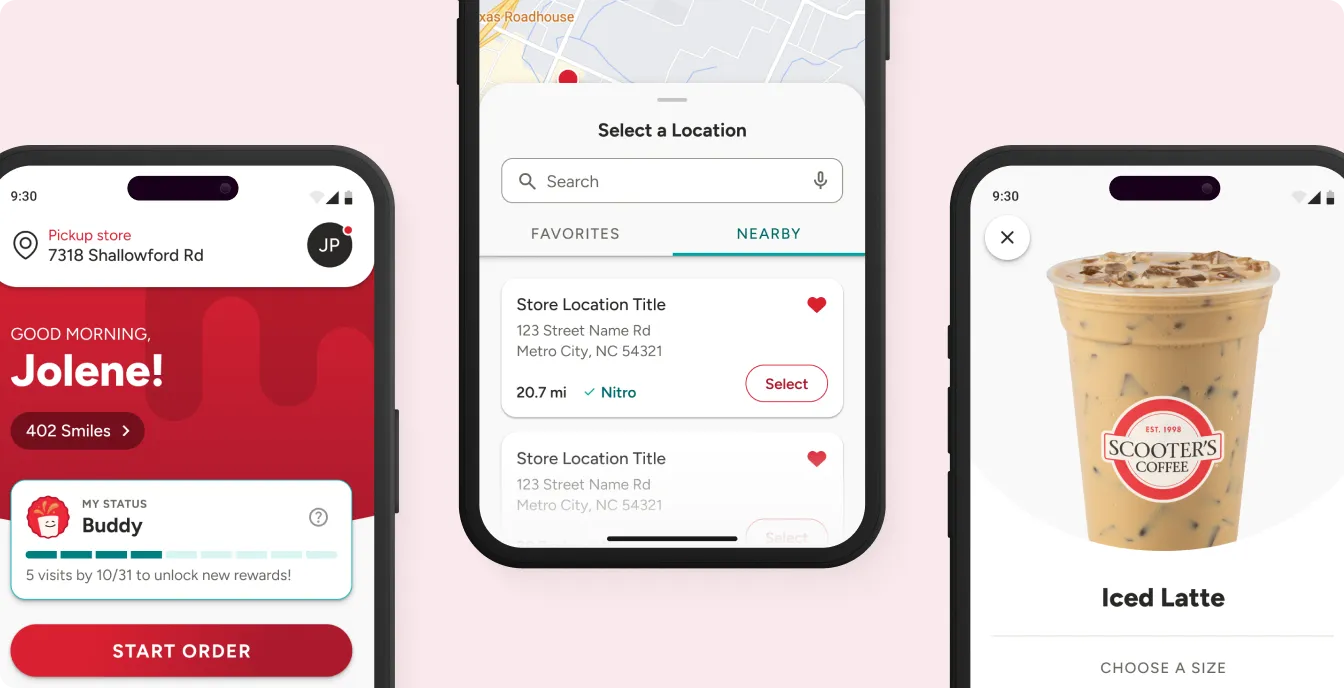
Two native apps into one, with zero downtime

- native apps into one codebase
- 2
- downtime
- 0
- feature parity
- 100%

Betterment: two native codebases into one

- Betterment accounts
- 775K+
- in assets, March 2023
- $32B
- Flutter developers trained
- 20+
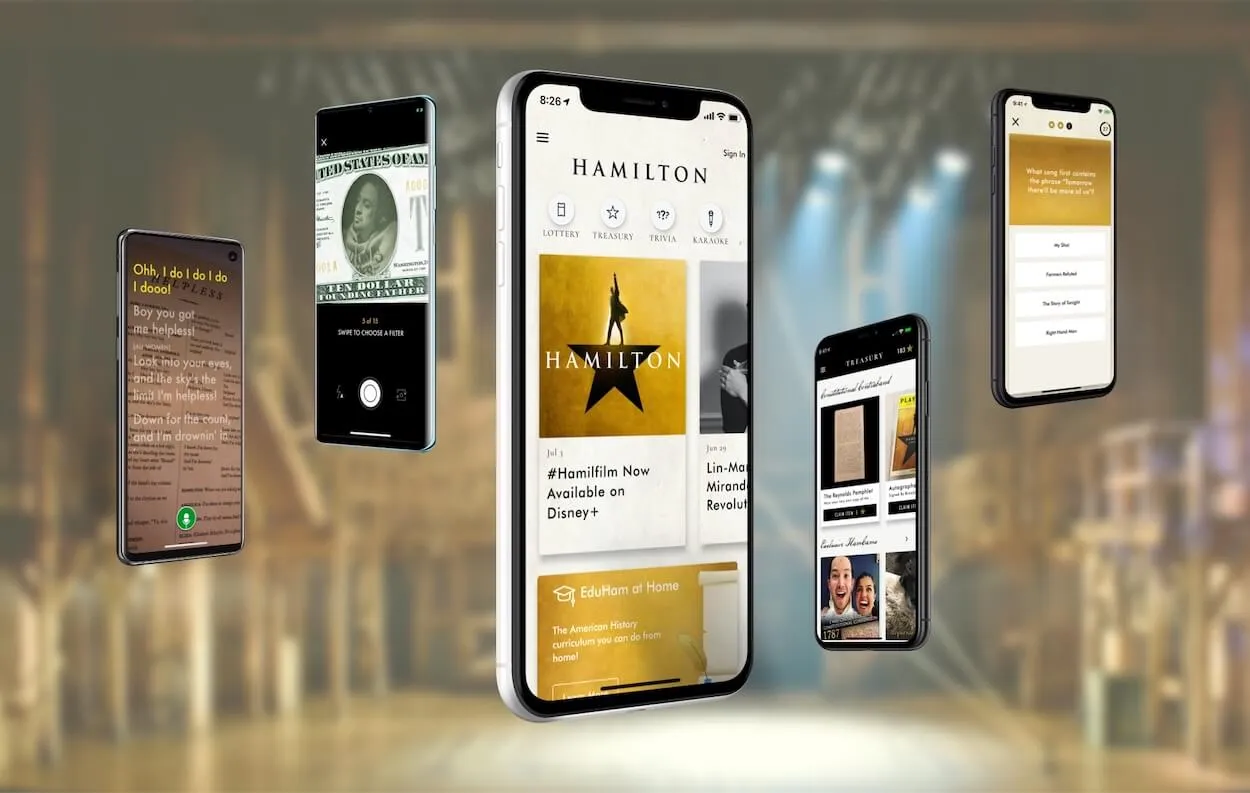
The first commercial Flutter app outside Google
- app installs
- 3.5M+
- peak monthly active users
- 500K+
- lottery entries
- 100M+
Before you plan the move.
Short answers from real migrations. Anything else, bring it to the first call.
01 Do we have to freeze the product while we migrate?
No. Betterment built one non-critical flow, account creation, in Flutter and added it to the native app with add-to-app. New features went to Flutter while stable native code stayed where it was until it was ready to move.
02 Will our velocity drop before it improves?
For a while, yes. The Migration Curve shows development velocity dipping below today's pace through Feasibility and Foundation, then climbing back above it during Integration.
03 How long did a real migration take?
Scooter's Coffee moved two revenue-critical native apps to one Flutter codebase in 3–4 months against a 6–8 month estimate. It shipped with zero downtime and 100% feature parity, using a custom multi-agent AI pipeline.
04 Can our engineers learn Flutter fast enough to ship?
Betterment's engineers went from minimal Flutter knowledge to building production features in one week, and 20+ developers were trained. On the curve, training sits in Foundation next to architecture and CI/CD.
05 Is the PDF different from this page?
No. Everything in the 2-page guide is on this page: the curve, time to market and cost of team for every phase, how our Flutter specialists pull the curve forward, and the ways to start. The PDF is there if you want a copy to share.
06 How do we start?
Book a 30-minute call with Laura or Greg. Bring the app, and the repo if you can share it, and you get a written summary of what we would do first. How we work covers what happens after that call.




We’ll care about your success as much as you do.
Our unicorns read every message and reply, usually the same day.
Start the conversationA 30-minute call about what you’re building.