
Bring the idea. We’ll bring every layer of the product.
Strategy, design, engineering and AI integration in one pod. AI builds the product, and our people own how it looks, feels and works, in a repo you own from the first commit.
If we’re the wrong fit, we’ll say so.
- Product strategy Product manager
- UX and UI design Designers
- AI integration Engineers
- Backend Engineers
- Mobile and web Engineers, testers
One team for the whole product, not a relay between four.
Design, product and technology decisions are made in the same room, so nothing gets lost in a handoff between vendors.
- 01 Go deeper Product strategy What the product has to do, and for whom, settled before anything gets built. AI & Strategy Workshops
- 02 Go deeper UX and UI design Clearer flows and a design system built with the product, checked screen by screen. Design Systems
- 03 Go deeper AI integration Models and agents inside the product, where they help the person using it, with limits the product sets. Agentic AI, explained
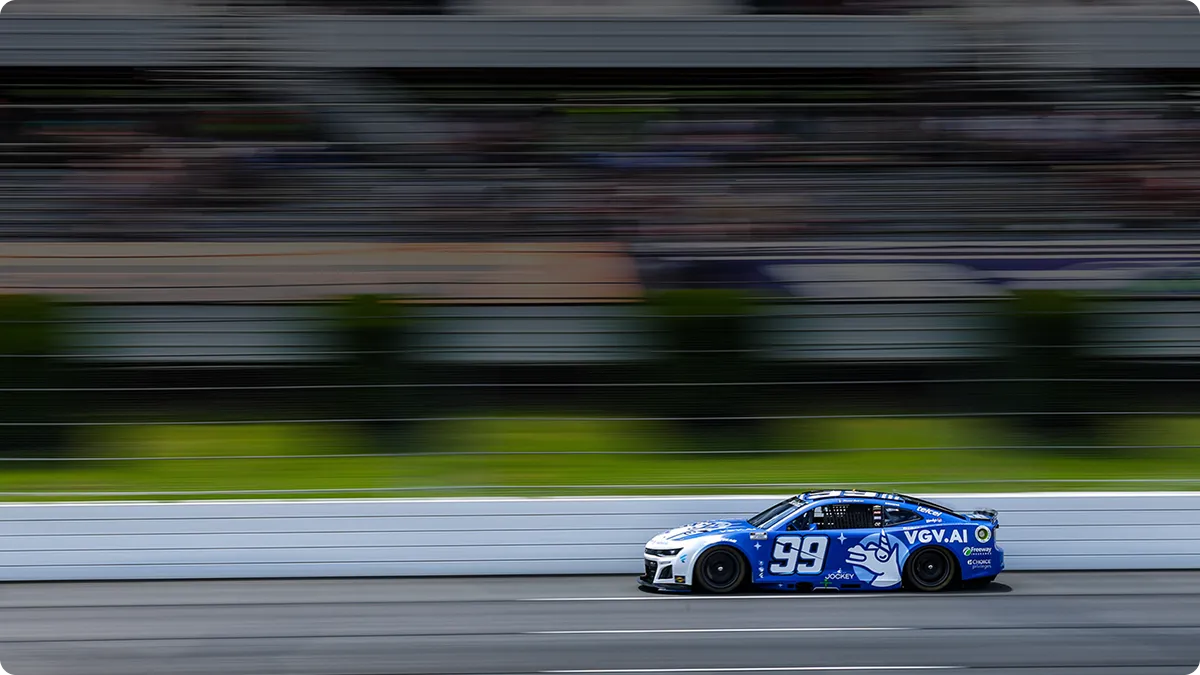
- 04 See it Backend Whatever the product needs underneath. On Trackhouse that was a race-day pipeline in Rust. Zero to Rust in three weeks
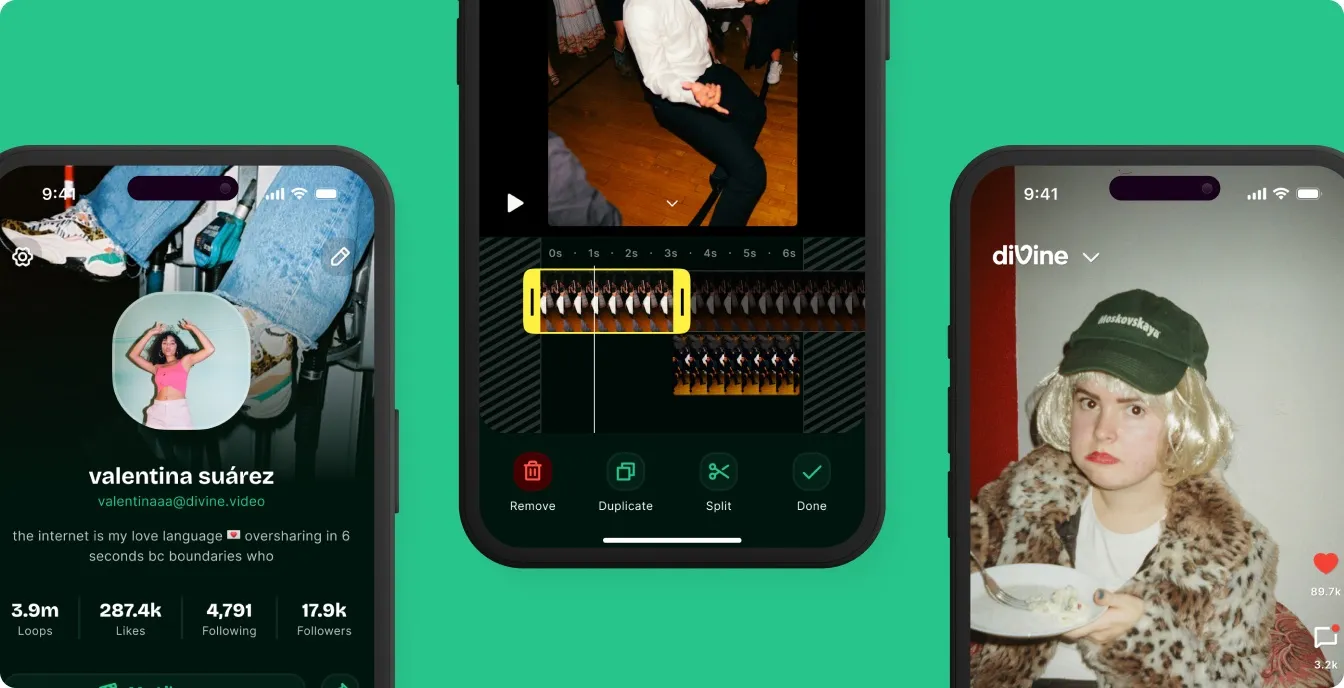
- 05 See it Mobile and web The app your first customers download, on the platforms they use. Divine, in 90 days
- 06 See it Ongoing iteration The guardrails and test suites grow with the product, so every release is held to a higher bar than the last. VGV Wingspan
Pick the one that sounds like you.
Every package has a fixed scope and a fixed price, agreed before we start. If the work takes longer than we planned, that’s our risk, not your bill.
- 01
Prototype to production
For you if you have a working prototype, vibe-coded or not, and it needs to survive real users.
You leave with
- A production-ready release
- The guardrails and tests to keep shipping it
- A written record of every decision
- 02 Most teams start here
New product
For you if you have the idea and a launch date to hit.
You leave with
- A product your first customers can use
- A repo you own from the first commit
- A design system built with the product
- 03
Rebuild or replatform
For you if something already works but is too slow, too fragile, or on the wrong stack.
You leave with
- The rebuilt system running in production
- Parity with what you had, or better
- Guardrails and tests around it
Products that shipped, in their own numbers.
- 90 days from a fast prototype to a production-ready release Divine
- 500+ issues prioritized and resolved across the app Divine
- 3 weeks from zero Rust to a pipeline live on race day Trackhouse Racing
-

“The codebase moved fast because it had to. VGV understood that and didn’t try to fight it — they made it work. They integrated Claude into the workflow in a way that actually improved velocity and quality at the same time, and got us to something stable enough to ship without losing momentum. All in 90 days.”
Founder & CEO, Divine Rabble (Evan Henshaw-Plath)
AI builds. People own the outcome.
Every change runs through the same four steps of VGV Wingspan. Nobody on our side reads the code. Our designers, product leads and technologists decide what the product should do and check that it does it.
- /brainstorm
Brainstorm
PeopleWhat the product has to do, and for whom.
AIAsks the questions before it writes anything.
- /plan
Plan
PeopleThe plan is reviewed for scope before anything gets built.
AIWrites the plan down, one change at a time.
- /build
Build
PeopleThe product and design calls.
AIWrites the code, and runs five review agents on it.
- /review
Review
PeopleDoes it match the plan, and does the experience hold?
AIFixes what the agents flagged before anything merges.
Before you bring the idea.
01 What should we bring?
The idea, in whatever state it’s in. Brand-new, half-formed, or already built and in need of improving. Half-finished is fine.
02 How long until there’s an app?
It depends on where the idea starts, and each package states its length up front. Divine went from a fast prototype to a production-ready release in 90 days.
03 Who’s on the team?
Designers, product leads and technologists, directing the AI. On Divine that meant engineers, testers, designers, a product manager and a program manager in one workflow.
04 If nobody reads the code, how do you know it’s good?
We don’t read it, and that’s the point. Our engineering standards are encoded into the guardrails, five review agents and the test suites every build has to pass. Our people spend their time on what your customers see.
05 Does it have to be Flutter?
No. The technology is chosen for the product. The Trackhouse race-day pipeline is written in Rust.
06 What if our own engineers will maintain the code?
Then Flutter Expertise is the better fit. Ask whether you care what the code looks like or who maintains it long-term. If you do, it’s Flutter Enablement or application development.
07 Who owns what you build?
You do. The code and the IP are yours from the first commit.


We’ll care about your success as much as you do.
Our unicorns read every message and reply, usually the same day.
Start the conversationA 30-minute call about what you’re building.