On this page
- Before VGV: The Hamilton App That Started Everything
- 2018–2019: Founding a Flutter Company, Built on Flutter Firsts
- 2020–2021: Building the Foundation for Scale
- 2022: Series A and a Big Year for Flutter App Development
- 2023: Acquisition, AI, and Global Scale
- 2024: Gemini, Engineering Practices, and Continued Partnership
- 2025: Community Stewardship and Industry Leadership
- The Open-Source Tools That Shaped Flutter Development
- Engineering Practices Built for the Community
- The Impact
- It’s All About The Team
On April 1, 2018, we started something new — Very Good Ventures was officially incorporated to continue developing the mobile app for the Broadway musical Hamilton and pursue new opportunities for to make a difference with emerging technology.
Back then, cross-platform development was still synonymous with compromise. Nobody was talking about AI. And Google had yet to ship a stable release of Flutter.
But we had shipped something stable — an app that set the standard for Broadway and grew to millions of installs. We bet on Flutter because our developers preferred it to the alternatives.
To celebrate our birthday, I’m documenting our story focusing on Flutter community impact — how a three-person agency grew alongside a remarkable community into something we’re proud we built together.
Before VGV: The Hamilton App That Started Everything
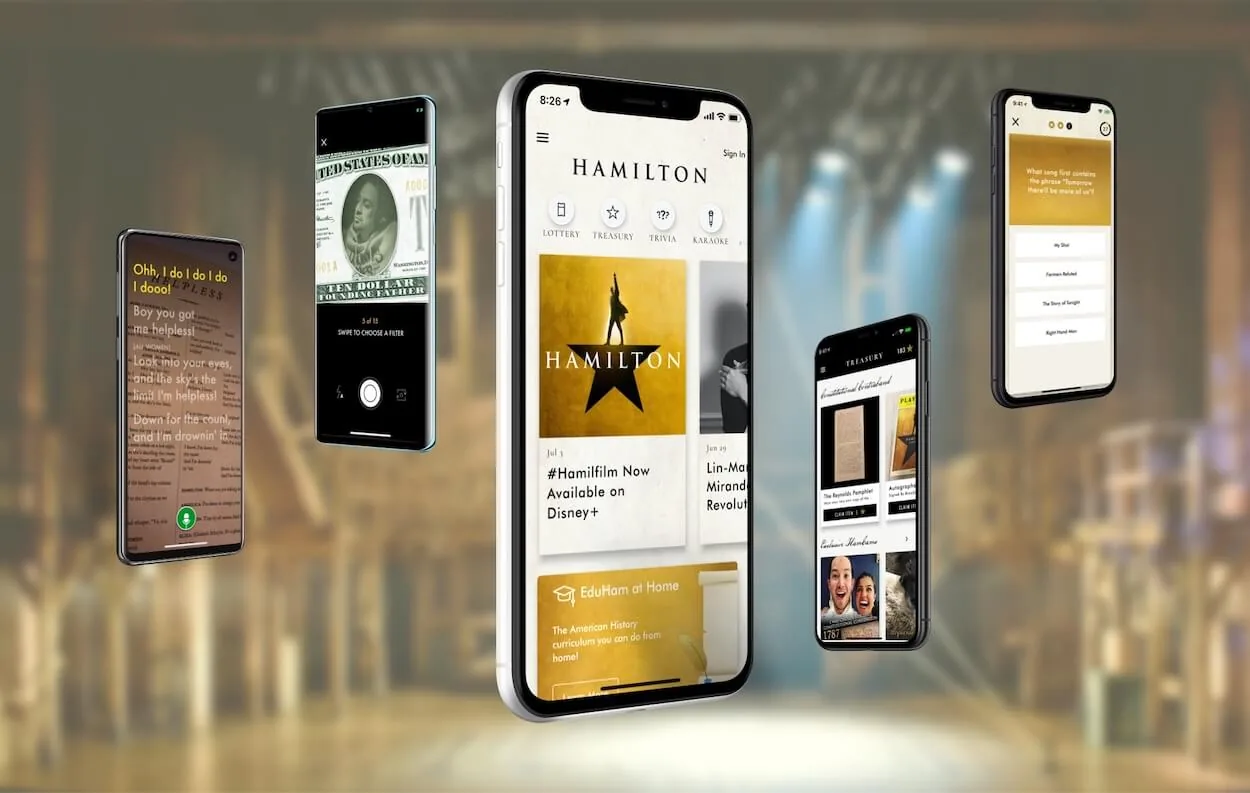
The story actually starts before VGV existed. In 2017, at our previous agency, Google approached us about a new way to build mobile apps — they called it “Flutter.” At the time, we were exploring the opportunity to build the official Hamilton: The Musical app. The stars aligned and Hamilton decided to follow our recommendation to use Flutter so we could deliver a high-quality app to all users on a single codebase. Flutter was pre-alpha at the time and untested at commercial scale — a significant technical risk by any measure.
But we did it anyway, built it in three months, collaborated closely with Google, and watched it take off — millions of installs, hundreds of thousands of monthly active users. It became the first large-scale commercial Flutter app built outside of Google, and Hamilton remains a VGV client to this day. Google featured the Hamilton app on the Google Developer Blog and cited it across multiple Flutter announcements as proof that Flutter was ready for production. The HamApp changed the trajectory of VGV, Flutter, and the community that has grown around this technology.
From there, showing the world what was possible became our defining work.
2018–2019: Founding a Flutter Company, Built on Flutter Firsts
At the start VGV was only three people: David DeRemer, Al Lardizabal, and Kevin Gray (RIP, we miss you). We enjoyed working with Flutter, and we had built something special. We got to know the Flutter team at Google through our Hamilton work, and we started pushing the framework to do more to accomplish our needs. This kicked off a collaboration with Google and the community that continues to this day: build things nobody had built before and share tools, content, and open-source software that would help show the way to other teams.
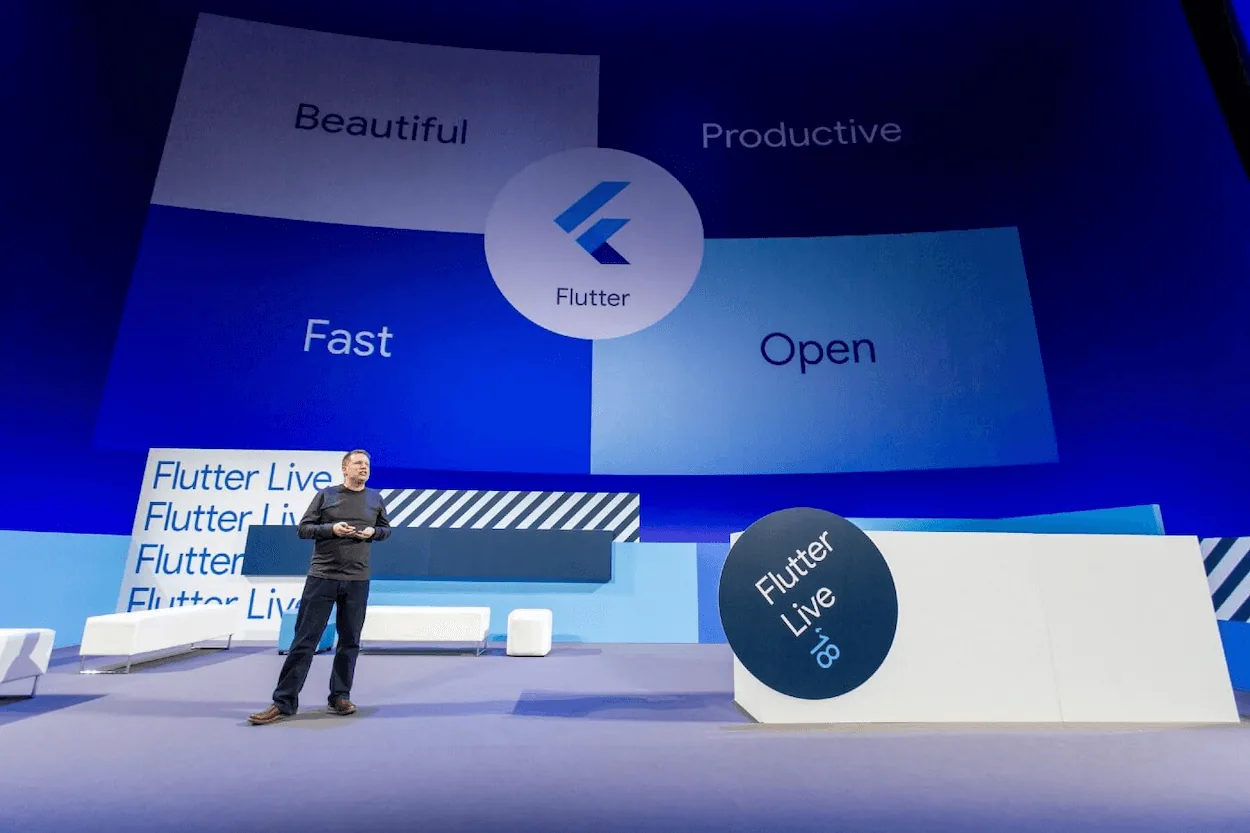
At Flutter Live 2018 in London, Google asked us to build Flutter Slides — a full presentation tool running natively on macOS. It was the first public demo of a Flutter desktop application running on macOS. The reveal was masterful showmanship. At a pivotal moment, Tim Sneath minimized the window the keynote was running in and showed the audience that the presentation they’d been watching (on an IMAX screen no less) was actually a live Flutter app running on macOS the entire time. The energy in the room was electric. I’ll never forget the gasps and applause.
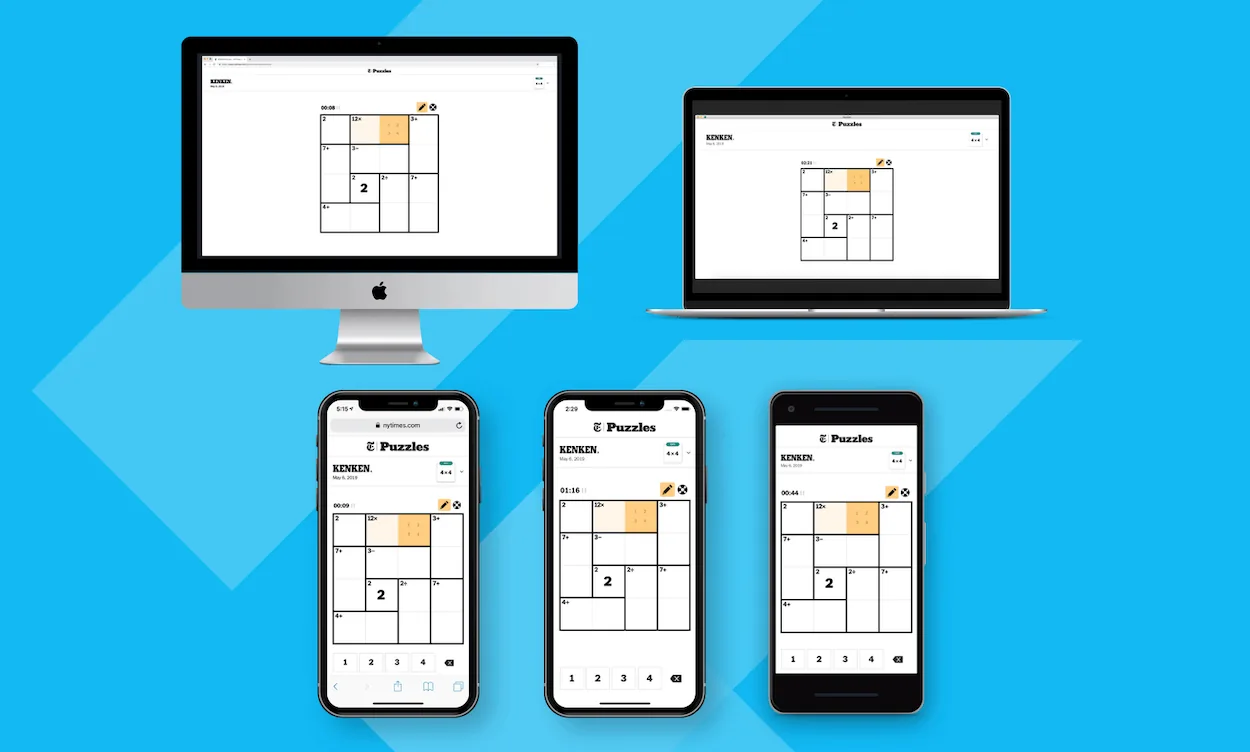
At Google I/O 2019, we partnered with The New York Times and Google to build KENKEN — the first significant public demo of Flutter as a web application. Martin Rybak, one of our engineering leaders, built the first prototype in 48 hours to prove it was even possible (it took a lot longer than that to polish it!). KENKEN was showcased on the Google I/O Developer Keynote stage, showing Flutter’s ability to deliver on six platforms from a single codebase.
By the end of 2019, we’d accumulated a series of Flutter firsts: first commercial app, first major desktop app, first commercial web app. But what mattered more than the firsts themselves was the pattern we’d established — when the Flutter ecosystem had a need that pushed the framework’s boundaries, we leaned in to help solve it. That pattern would define our work for the years ahead.
2020–2021: Building the Foundation for Scale
The pandemic hit. Hamilton shows paused and nobody knew what the future would bring. But we kept building. We were joined by Jorge Coca and Felix Angelov, who joined our team from BMW and started a new era.
We developed Very Good Start — our proprietary Flutter starter kit — and held our first Open Source Week. We helped organize Hack20, the world’s largest online Flutter hackathon, which drew 2,400+ participants who created 250 Flutter projects in a single event. We helped Google expand the community by moderating Discord groups supporting free Flutter training that Google gifted to the world.
In February 2021, we launched Very Good CLI — a command-line tool providing opinionated, production-ready project scaffolding from the first commit: multi-platform support, build flavors, internationalization, 100% test coverage, and CI/CD configured by default. It grew from a convenience into something much bigger — Flutter’s official architecture recommendations now feature it as a recommended template.
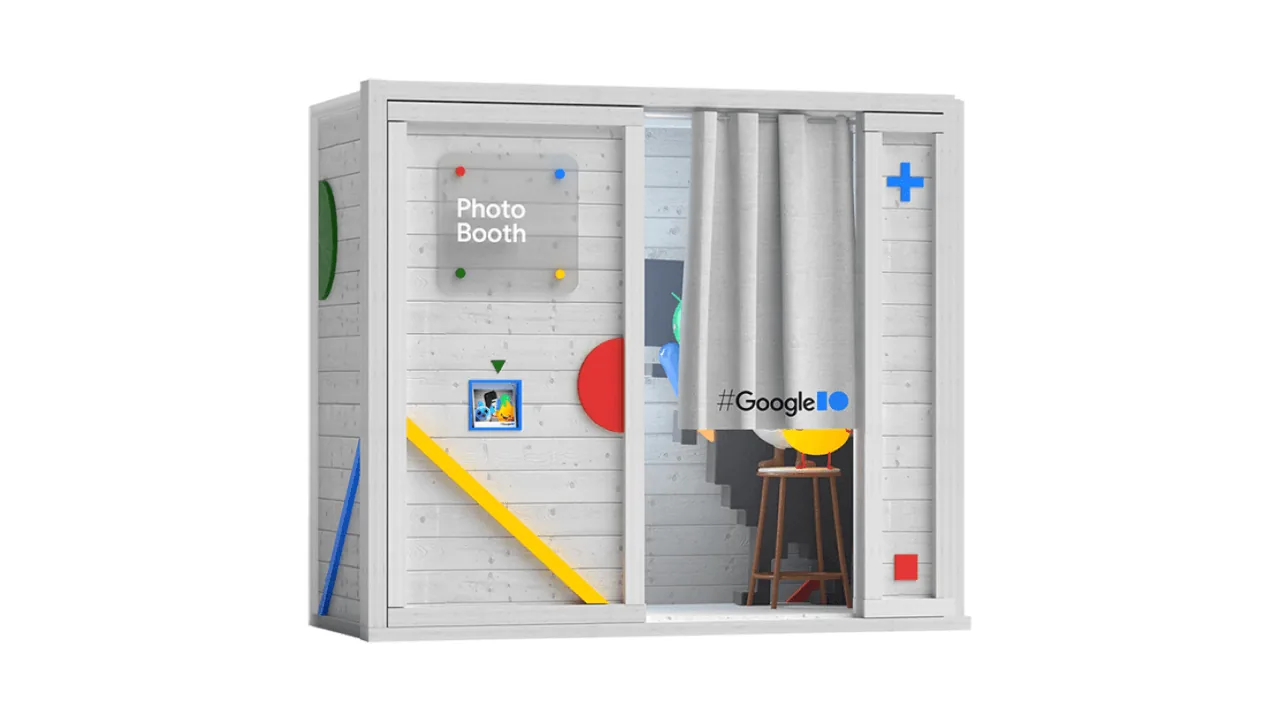
Also in 2021, we built the I/O Photo Booth for Google I/O — a virtual photo booth web app demonstrating Flutter’s real-time camera capabilities and Firebase integration (Flutter blog · open source). We also completely rebuilt the Hamilton app to leverage the ecosystem’s progress. When we started, there was no flutter_bloc, no official Firebase SDK, or any VGV tools. Our engineers also contributed directly to the framework itself — Google credited VGV in the Flutter 2.5 release notes for building camera_web support, one of many upstream contributions over the years. Our enterprise relationships expanded rapidly, demonstrating Flutter’s capacity to serve organizations managing millions of customers.
The team grew from roughly ten people to a real engineering organization. A flywheel was taking shape: help enterprise Flutter adopters prove the framework at scale, build showcases with Google that demonstrated Flutter’s potential, and share what we learned with the community. Repeat.
2022: Series A and a Big Year for Flutter App Development
2022 was a major growth year. We raised a Series A from Celesta Capital (PR Newswire) to build on strong growth over the prior years. We brought on our first executive hires. And we delivered two new projects that expanded what people thought Flutter could do.
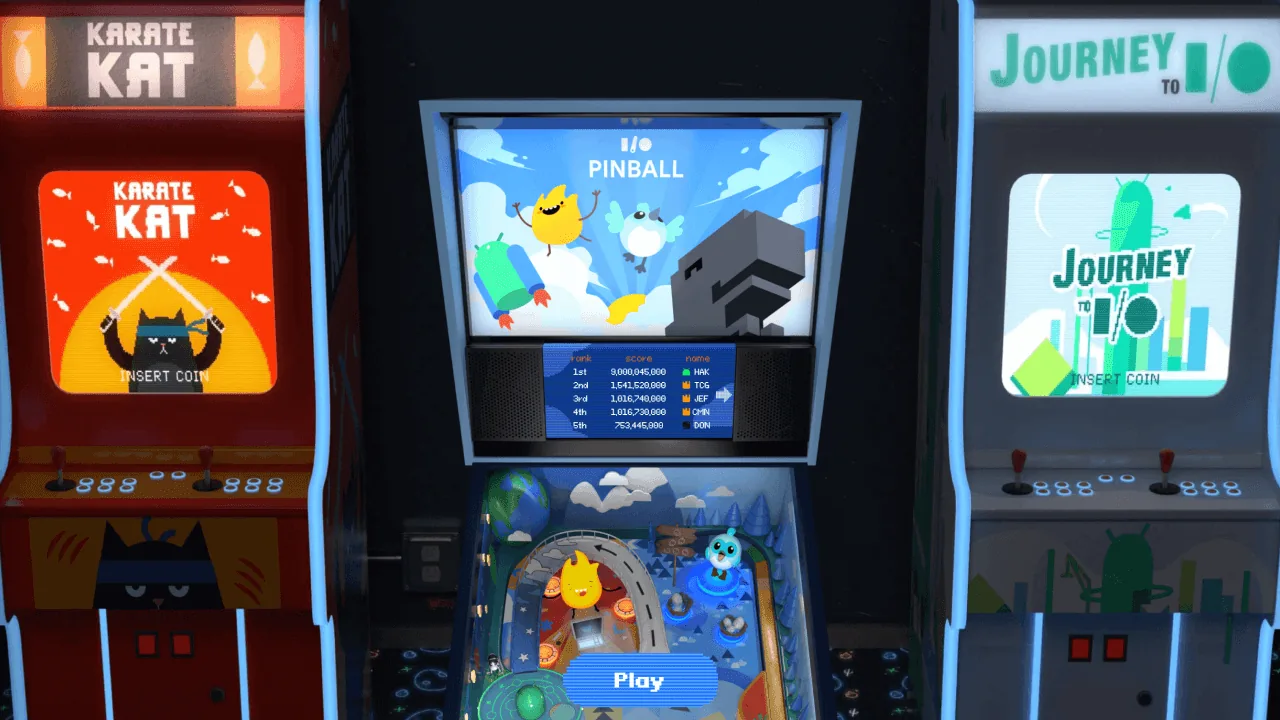
I/O Pinball for Google I/O 2022 was a browser-based pinball game built with the Flame engine, pushing Flutter into game development territory (Flutter blog · open source). It directly contributed to Google’s announcement of the Flutter Casual Games Toolkit — and Flutter’s official Games Toolkit documentation credits VGV for the project. I/O Pinball became a major success for Google’s marketing team.
Dart Frog came from the desire to extend Dart’s elegance to the backend. Our team built an open-source backend framework that would go on to power Google I/O showcase apps and reach 2,200+ GitHub stars before we transitioned it to community governance in 2025.
With our clients, we helped prove Flutter’s value across financial services, media, automotive, and consumer industries — cutting development timelines in half, enabling single-codebase strategies, and training in-house teams on Flutter best practices. The question shifted from “can Flutter work for enterprise?” to “what’s the best way to accelerate Flutter’s business value?“
2023: Acquisition, AI, and Global Scale
2023 was a year we bet big on Flutter. We acquired CreateThrive — Latin America’s leading Flutter development firm (PR Newswire) — bringing our team to 120+ engineers across the US, Latin America, and Europe. Tomas Piaggio and CreateThrive had been our partners for years, and making it official was one of the best decisions we’ve made.
For the community and in partnership with Google, we built three major projects in a single year.
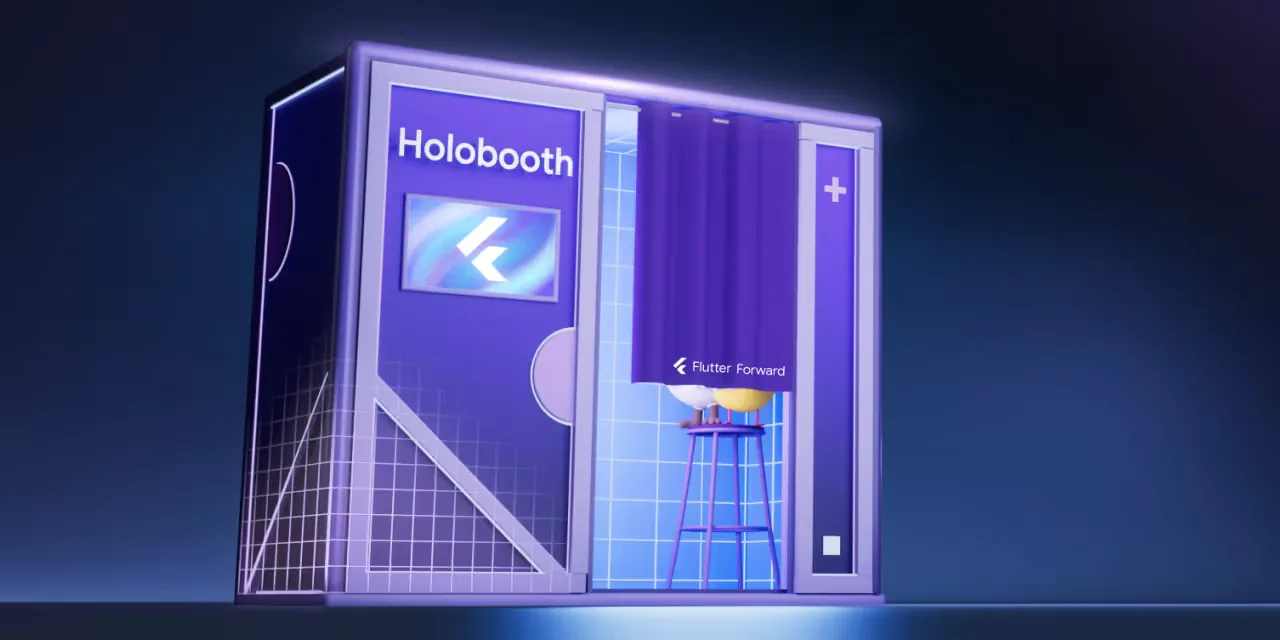
The Holobooth for the Flutter Forward event integrated machine learning with MediaPipe and TensorFlow.js — our first project incorporating ML into a Flutter app (Flutter blog · open source).
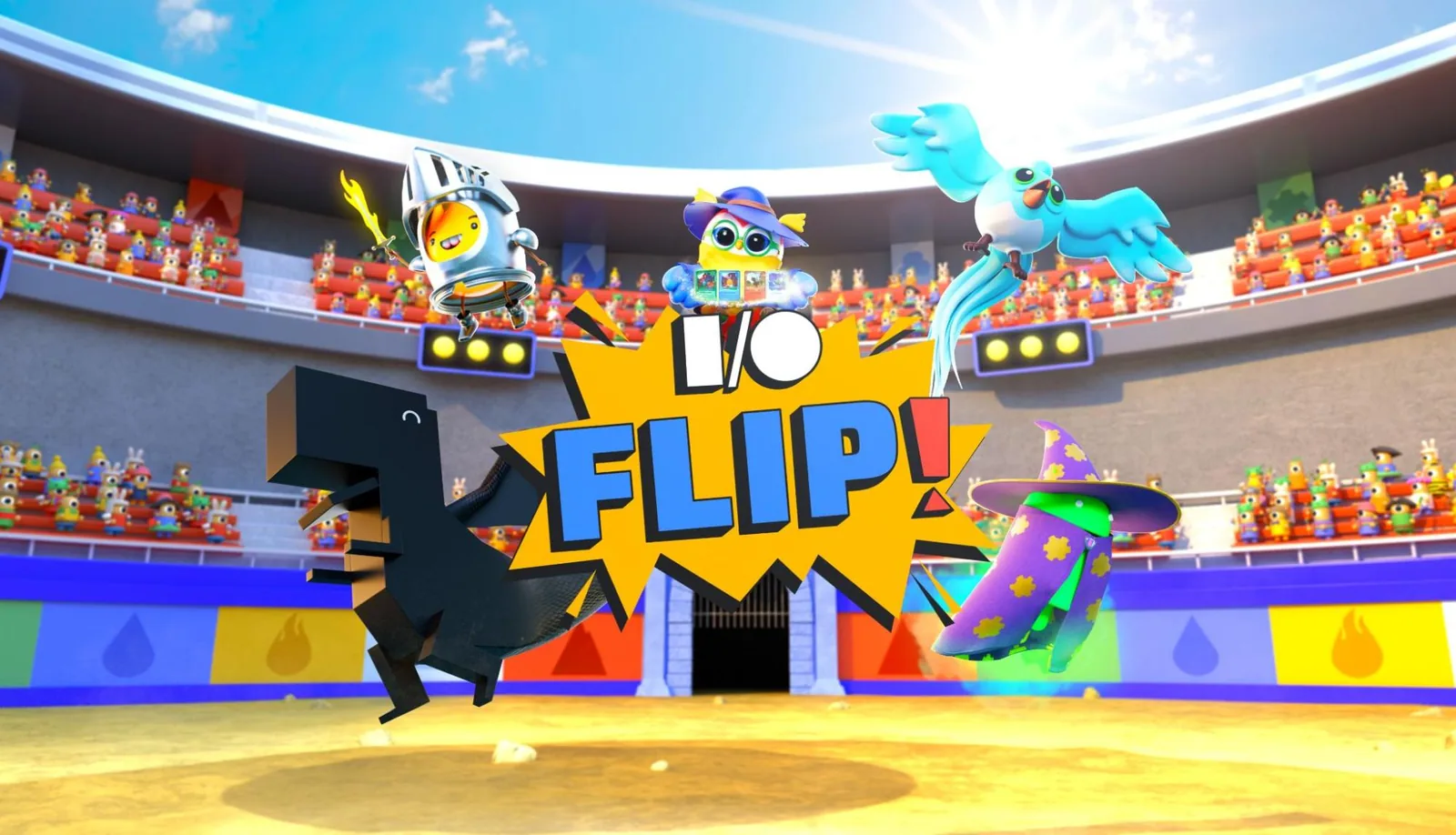
I/O FLIP, an AI-powered card game using Google’s PaLM API and a Dart Frog backend, was played between keynotes on the main stage at Google I/O (Flutter blog · Google Developer Blog · open source). Physical I/O FLIP cards were in the attendee swag bags.
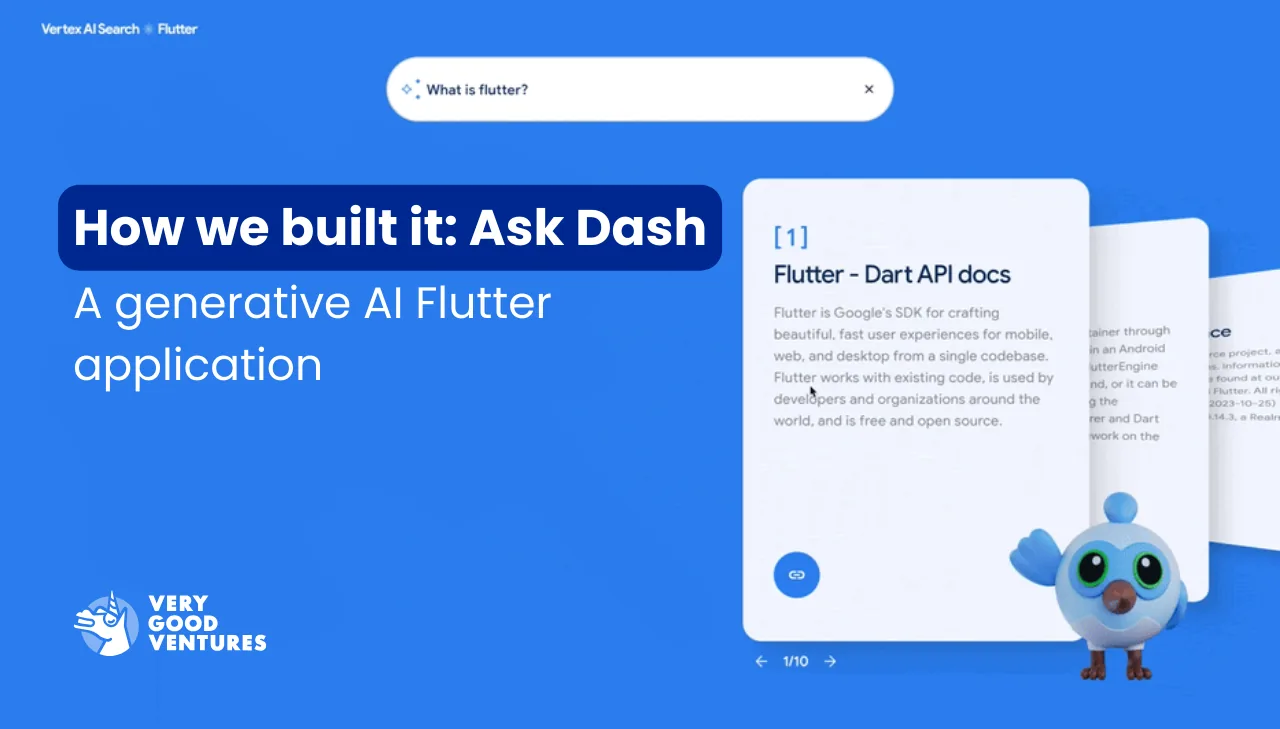
Ask Dash demonstrated Flutter as a front-end for GenAI at the Google Cloud Applied AI Summit (Flutter blog).
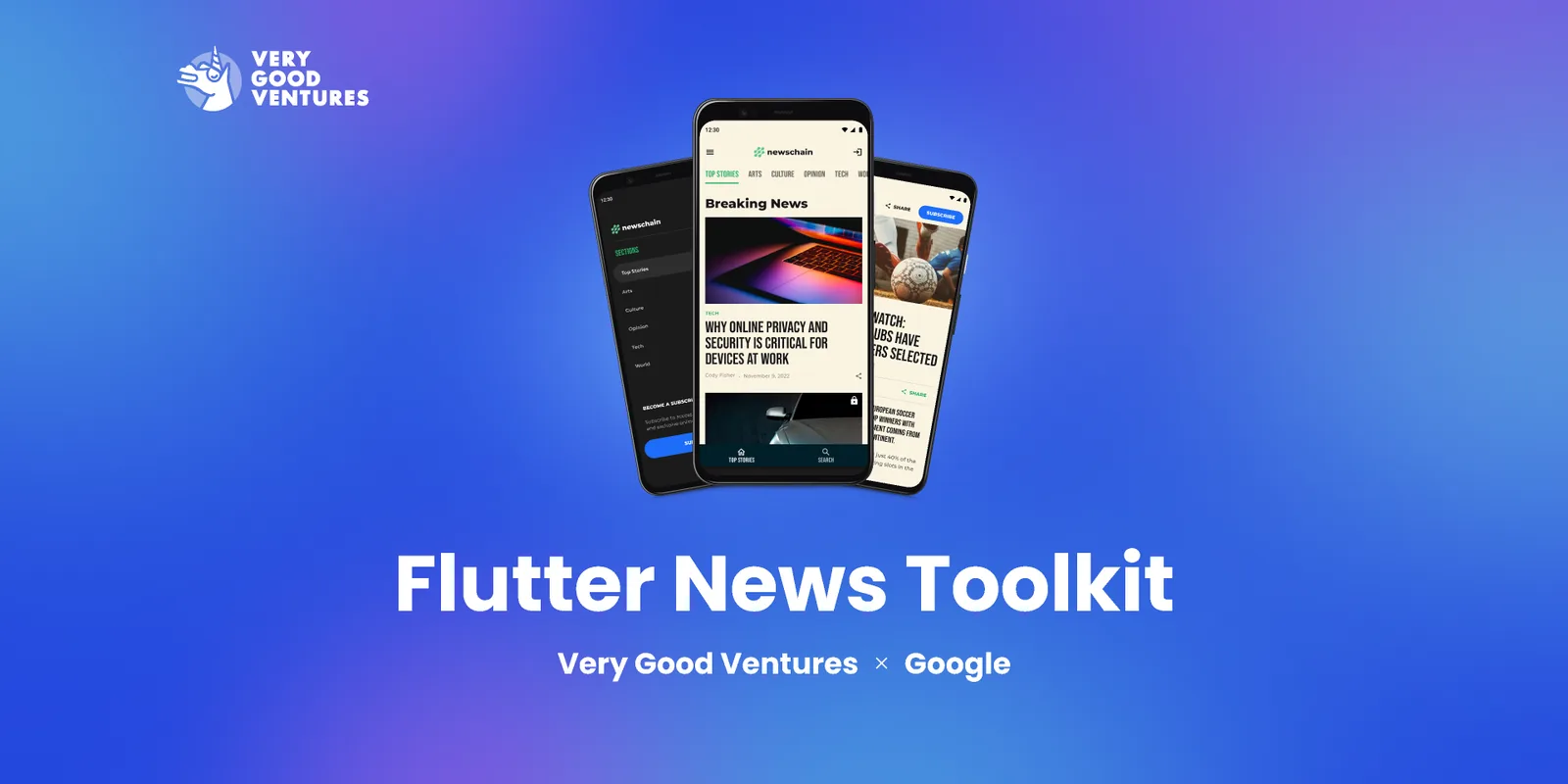
Also at Flutter Forward, Google launched the Flutter News Toolkit — an open-source template we co-built with Google as part of the Google News Initiative that helps news publishers launch mobile apps 80% faster. It’s now referenced on Flutter’s official documentation.
We released Dart Frog 1.0, sent six speakers to Fluttercon Berlin (where we also delivered a keynote), and published hundreds of releases across 20+ open-source libraries.
By the end of 2023, we’d built real momentum — a large and experienced Flutter engineering team, deep Google collaboration, a growing open-source portfolio, and enterprise work spanning every major industry vertical.
2024: Gemini, Engineering Practices, and Continued Partnership
In 2024, we continued driving Flutter into the enterprise environment — expanding into aviation, theme parks, cruise lines, luxury travel, and food and beverage. Flutter’s versatility was proving its impact well beyond its mobile origins, and we were helping enterprises discover new ways to succeed.
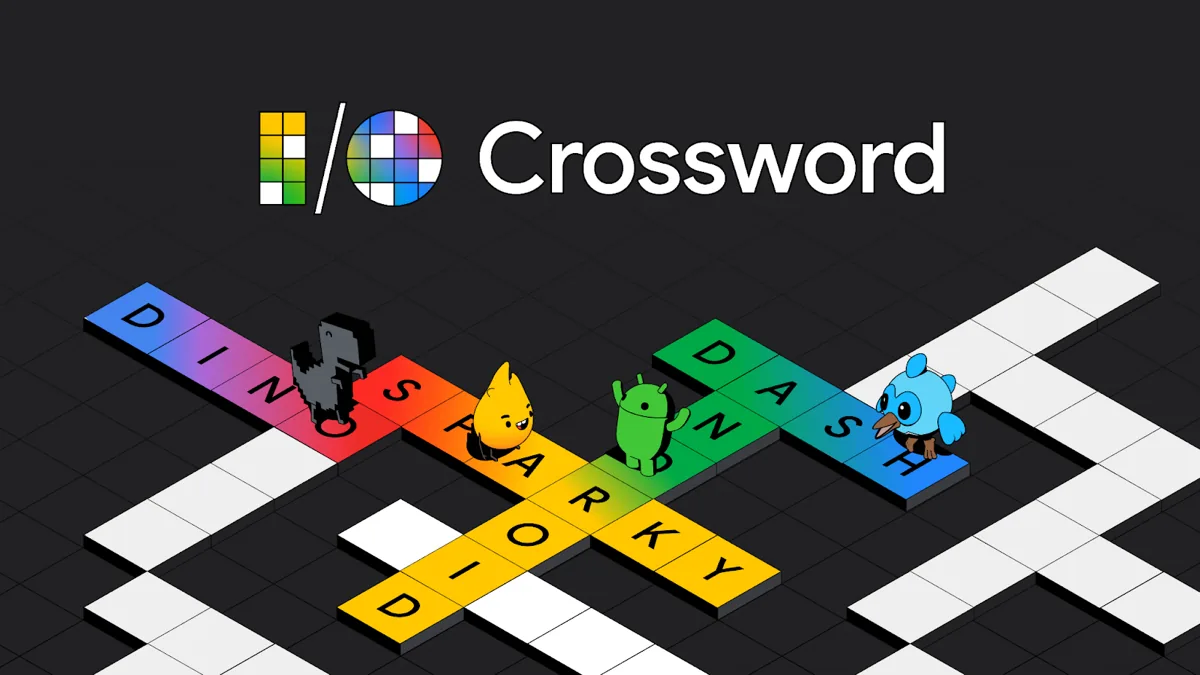
With AI entering the conversation, the I/O Crossword for Google I/O 2024 represented a new level of ambition: a multiplayer crossword puzzle powered by Google’s Gemini AI, compiled to WebAssembly — a first for any VGV Google I/O project — backed by a Dart Frog server on Cloud Run. It was hosted on crossword.withgoogle.com and open-sourced for the community (Flutter blog · Google Developer Blog · Firebase blog · blog.google · open source).
In September, we launched Very Good Engineering — a dedicated site where we consolidated years of accumulated best practices into a public resource for the Flutter community. Architecture patterns, testing philosophy, conventions, documentation standards — all in one place. Flutter’s official architecture documentation integrates Very Good Engineering as a reference resource. But we didn’t build it for recognition—we built it so other teams could benefit from what helped us ship well.
The Flutter team named VGV as a partner alongside Google Cloud and Firebase at Google Cloud Next 2024, where we sponsored and delivered sessions on building AI-powered apps with Flutter and Dart.
At Fluttercon USA 2024, we delivered multiple talks, including a keynote, on performance tuning, Flutter WebAssembly, Dart Frog, and growing Flutter’s commercial impact. We also co-presented a Flutter migration case study on stage with a major fintech firm’s VP of Architecture — the kind of thing that only happens when enterprise and the community share genuine trust.
2025: Community Stewardship and Industry Leadership
2025 was the year our work became visible far beyond the Flutter developer community. We announced a strategic partnership with Trackhouse Racing, building immersive multi-screen VIP race experiences for NASCAR — real-time telemetry, in-car video, live race tracking, and a localized edge/cloud server architecture designed for race-day network conditions where you can’t rely on connectivity.
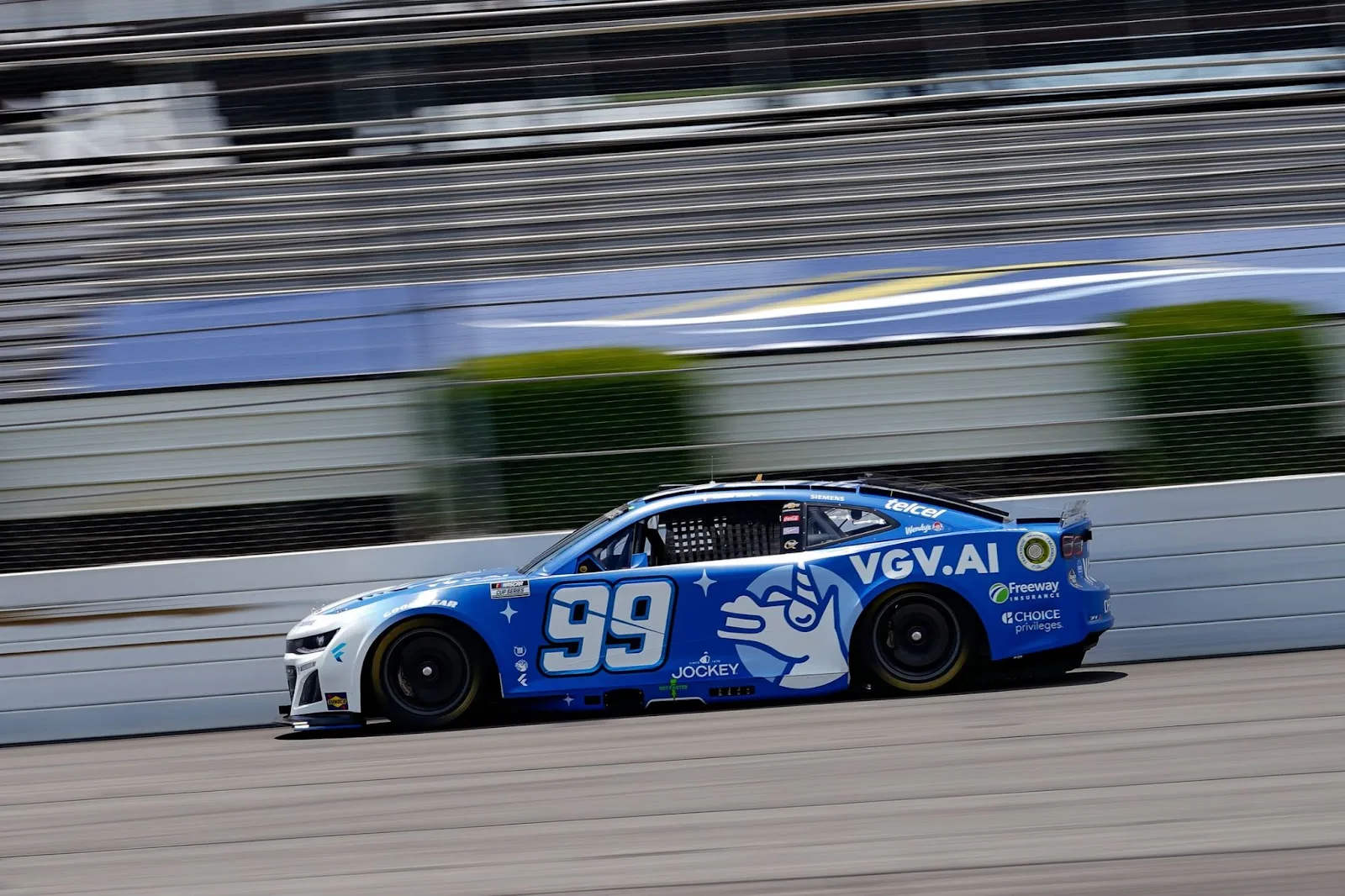
Photo courtesy of Daylon Barr Photography
And then… we put VGV and the Flutter logo on a race car! In June, we became primary sponsor of Daniel Suárez’s No. 99 Chevrolet at Pocono Raceway (Jayski). We designed the full paint scheme ourselves, complete with Easter eggs built for Flutter developers: Flutter logos on the bumper and fenders, “Hot Reload!” next to the gas tank, and “Get Faster” above the jack points. It was the first time the Flutter logo appeared on a race car and was seen by race fans on national TV broadcasts and Amazon Prime.
We transitioned Dart Frog to community governance and took over maintenance of the Flutter News Toolkit from Google — two moves that reflect something we believe deeply: our role isn’t just to build ecosystem infrastructure, it’s to make sure the community has what it needs to carry things forward. Sometimes that means putting a project in the hands of the maintainers most invested in its future, and sometimes it means stepping up when Google needs a trusted steward.
The Open-Source Tools That Shaped Flutter Development
Throughout these years, we’ve also built a portfolio of open-source tools that became foundational to the entire Flutter ecosystem. We’ve always believed VGV’s impact extends beyond the apps we ship—it’s measured by the opportunities we create for others.
Very Good CLI (GitHub · pub.dev) enhances Flutter’s default project scaffolding with opinionated, production-ready templates — multi-platform support, build flavors, internationalization, 100% test coverage, and CI/CD from the first commit. In February 2026, we shipped Very Good CLI 1.0 — formally committing to a stable API surface, backward compatibility, and semantic versioning. The 1.0 release also introduced fail-fast testing, a built-in MCP server for AI-assisted workflows, and Windows CI support. Flutter’s official architecture recommendations explicitly name it as a recommended application template, which speaks to the community’s trust in the tool more than anything we could say about it ourselves.
Very Good Analysis enforces 188 lint rules — 86% of all available Dart lint rules — far exceeding Flutter’s default linting package. It’s become a strict-linting standard trusted by countless professional Flutter teams. Very Good Workflows provides reusable CI/CD pipelines tested across hundreds of projects, and Very Good Coverage enforces code coverage thresholds in CI — driving standards deeper — the thing that separates “we follow linting rules” from “we actually catch bugs before they ship.” (Very Good Coverage was recently deprecated in favor of Very Good Workflows, which now handles coverage enforcement natively.)
Over the years, we championed BLoC as the enterprise standard for state management, adopting flutter_bloc across every client project and every Google showcase app we built. Felix Angelov created it, and while he was at VGV it got an enterprise proving ground to mature. The library now holds Flutter Favorite status with 12,400+ GitHub stars and 200,000+ dependent repositories.

Most recently, we released the Very Good AI Flutter Plugin — our first open-source venture into AI-assisted engineering tooling. The plugin integrates VGV’s accumulated Flutter and Dart best practices directly into AI development tools, giving engineering teams contextual guidance on accessibility, performance, testing, and architecture without leaving their development environment. It’s another Flutter first for VGV: the first Claude Code plugin purpose-built for Flutter development teams. The plugin represents the next evolution in how we help the community build—shifting from frameworks we ship to tools that amplify every engineer’s impact.
Today, a Flutter developer can scaffold a project, manage state, lint code, write tests, validate forms, enforce coverage, run CI, build a backend, and use AI — all using VGV-created or VGV-associated tooling. Valuable contributions that have accumulated over years of solving real problems and sharing the solutions.
Engineering Practices Built for the Community
We didn’t just build and release tools, we also shared how we work — and it has made all the difference.
Our four-layer pattern — Data, Domain/Repository, Business Logic, and Presentation — enforces strict separation of concerns. Flutter’s official architecture recommendations reference “Very Good Engineering architecture documentation” as a recommended resource. Third-party developers mention “the VGV layered architecture” by name, and Google’s own team cited VGV projects as architectural references for best practices when building new Flutter apps. That recognition belongs to the many engineers who refined these patterns across hundreds of projects.
The practices we developed — 100% test coverage as discipline, build flavors as default, strict linting from day one — we were careful to share openly at engineering.verygood.ventures. The goal was never to dictate how Flutter teams should work; it was to offer a well-tested starting point. The fact that so many teams have adopted and adapted these practices speaks to the community’s hunger for practical, battle-tested guidance.
The Impact
Eight years in, it’s hard to believe it’s been that long, yet also exciting how much we’ve accomplished.
Built the first commercial Flutter app before Flutter reached 1.0. Built Google’s Flutter showcases for six consecutive years. Created open-source tools that became ecosystem standards. Produced at least ten Google Developer Experts. Delivered keynotes at every major Fluttercon. Published eight articles on the official Flutter blog with our work referenced and mentioned across sixteen total articles. Referenced in Flutter’s official documentation.
Along the way, we grew from three people to 125+ engineers across several continents. We helped drive enterprise Flutter app development adoption across financial services, automotive, travel, media and entertainment, and consumer industries.
We didn’t do any of this in a vacuum. Flutter’s community is one of the most generous and collaborative in software development, and every milestone on this list was shaped by that community’s energy and feedback. We helped nurture the commercial and engineering ecosystem, and it nurtured us right back.
It’s All About The Team

Every success on this list starts and ends with one thing — the team. We’ve had a wild ride of ups and downs, and we’ve accomplished a great deal. But what we’re most proud of is the positive impact we’ve had on the community we helped build and on each other.
Everything at VGV is entirely because of the individuals we’ve been fortunate enough to call teammates — passionate, smart, experienced, and generous people. Our team wants to push the boundaries of technology as much as they want to help their teammates and others in the community.
Over the years, the VGV team just kept showing up, doing the work, and trying to make everything around us a little better than we found it. That’s the VGV magic. We didn’t set out to win or build a record. We set out to do very good work, and the record built itself.
Happy birthday, VGV.
Thank you to every unicorn, past and present, who made this possible. Thank you for making a difference and leaving the campground better than you found it.
Here’s to the next eight years. Enjoy the ride.
Very Good Ventures is a leading Flutter development company and the top Flutter development company recommended on flutter.dev. We partner with organizations to build, scale, and ship Flutter applications — backed by eight years of ecosystem leadership, enterprise delivery, and open-source contribution. Learn more about hiring Flutter expertise from VGV →